

Under the bright lights of the Jan Breydelstadion, Club Brugge vs Barcelona produced one of the most dramatic clashes of the 2025–26 UEFA Champions League league stage. The November encounter ended 3–3, but the scoreline only told half the story — a tale of attacking brilliance, defensive errors, and a tense VAR finale that shaped the night’s outcome.
Barcelona, led by Hansi Flick, aimed to solidify their top-eight push in the new league format, while Nicky Hayen’s Club Brugge sought to make a statement at home against a European giant. The crowd’s roar set the tone for what became a captivating night of football filled with momentum swings and emotional highs.
This article revisits the key moments, tactics, and implications from a match that truly lived up to Champions League billing.
Contrasting Agendas and the Build-Up
Heading into the fixture, the two clubs had very different motivations. Barcelona were chasing consistency after a mixed start, eager to prove that their youthful core could carry them deep into Europe’s elite competition. Club Brugge, meanwhile, entered as the underdog — but one that had built a solid European home record and wasn’t intimidated by the Catalan giants.
Flick’s starting lineup featured Lamine Yamal, Ferran Torres, and Marcus Rashford, signaling an intent to dominate possession and press high. Hayen’s Brugge leaned on pace and verticality, banking on Carlos Forbs and Nicolo Tresoldi to exploit Barça’s high defensive line.
Team Overview
| Team | League Phase Standing | Manager | Key Player |
|---|---|---|---|
| Club Brugge | 22nd (4 pts) | Nicky Hayen | Carlos Forbs |
| Barcelona | 11th (7 pts) | Hansi Flick | Lamine Yamal |
Both teams’ tactical plans would soon collide in a spectacular display of attack-heavy football that thrilled neutrals and frustrated both managers in equal measure.
Goals Galore: The Early Exchanges
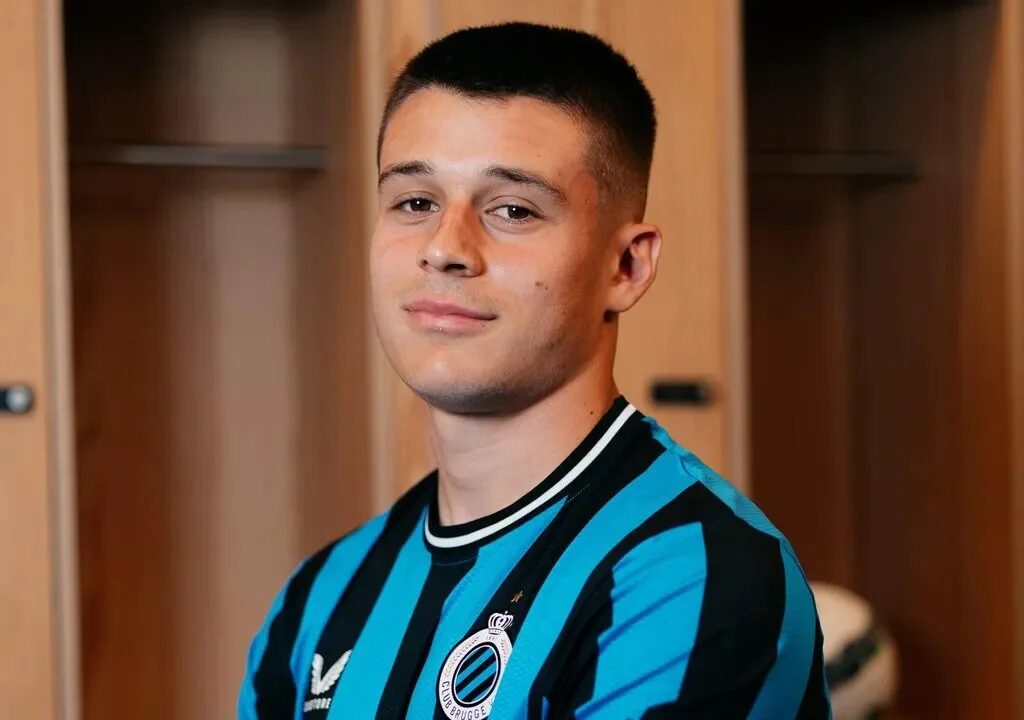
The opening 20 minutes unfolded at a breathtaking pace. Brugge struck first through Nicolo Tresoldi in the 6th minute, capitalizing on a rapid counter led by Forbs. Yet Barcelona wasted no time responding, as Ferran Torres equalized just two minutes later with a composed finish.
Forbs then turned scorer at the 17th minute, punishing Barcelona’s exposed high line with another breakaway goal that underlined Brugge’s tactical sharpness. The relentless tempo reflected both sides’ intent — attack first, defend later — as end-to-end football became the story of the half.
Despite Barcelona’s dominance in possession, Brugge’s shape and counter-attacking execution exposed gaps in Flick’s back line. The home side’s discipline and energy frustrated Barça, who struggled to convert control into comfort.
Turning Points and VAR Chaos
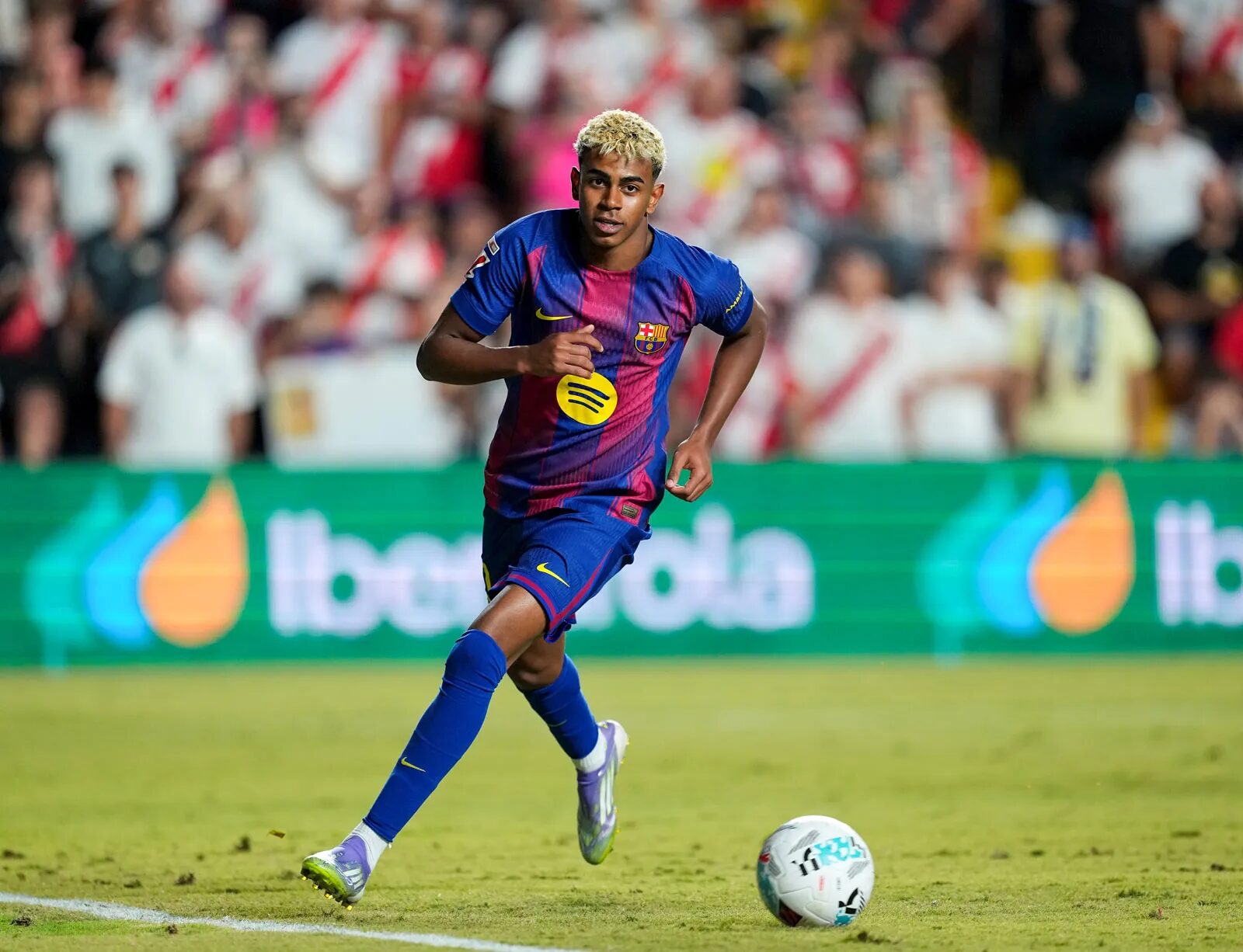
The second half flipped the script. Barcelona regrouped and found rhythm through Lamine Yamal, whose dazzling solo effort in the 61st minute restored parity. The 17-year-old continued his rapid rise, displaying confidence and flair reminiscent of a young Messi.
But Brugge refused to fold. Just two minutes later, Carlos Forbs completed his brace, once again punishing a sluggish defensive transition. The drama didn’t stop there — a Tzolis own goal in the 77th minute brought Barcelona level once more.
As injury time arrived, tension gripped the stadium when Vermant’s late strike appeared to seal victory for Brugge. However, a lengthy VAR review ruled the goal out for offside, leaving fans in disbelief.
The emotional contrast was stark: Brugge’s frustration mirrored Barcelona’s relief. The match ended all square, but the performance left both managers with plenty to reflect on.
Tactical Insights and Player Standouts – Club Brugge vs Barcelona
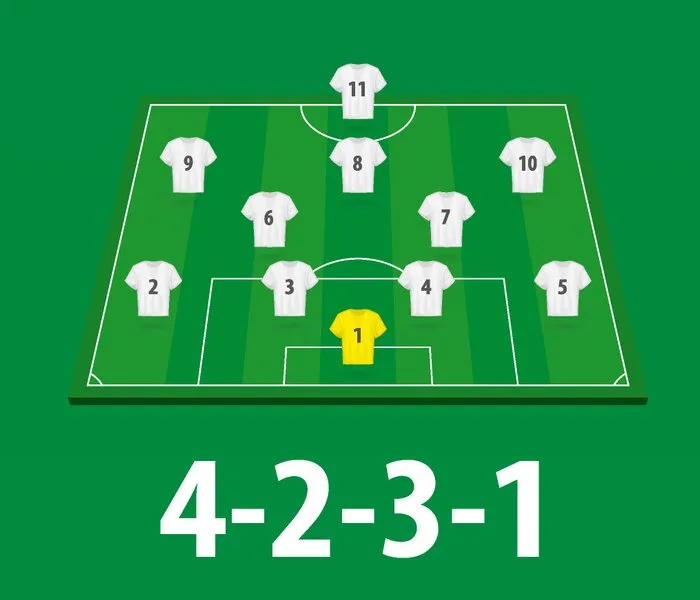
Flick’s side operated in a 4-2-3-1 formation, pushing fullbacks high and emphasizing control through possession — which reached 76%. Yet that dominance failed to translate into security. Defensive transitions remained fragile, and Brugge’s vertical play exploited it repeatedly. Even with Frenkie de Jong orchestrating midfield, Barça lacked the necessary balance.
Hayen’s Brugge, by contrast, were compact and direct. Vanaken’s distribution and Forbs’ acceleration embodied their efficiency — minimal touches, maximum impact.
Key Individual Highlights:
• Carlos Forbs — 2 goals, 1 assist, and named UEFA’s Man of the Match.
• Lamine Yamal — Scored his 7th UCL goal as a teenager, again showcasing elite maturity.
• Fermin López — Provided 2 assists, adding creativity from deep.
Match Statistics
| Stat | Club Brugge | Barcelona |
|---|---|---|
| Possession | 23.9% | 76.1% |
| Shots (on target) | 10 (6) | 23 (6) |
| Expected Goals (xG) | 2.14 | 2.14 |
| Corners | 0 | 4 |
| Saves | 4 | 3 |
These numbers reveal how effective Brugge were on the counter despite limited possession, while Barcelona’s inefficiency in converting control into clear dominance became apparent.
Reactions and What the Draw Means – Club Brugge vs Barcelona
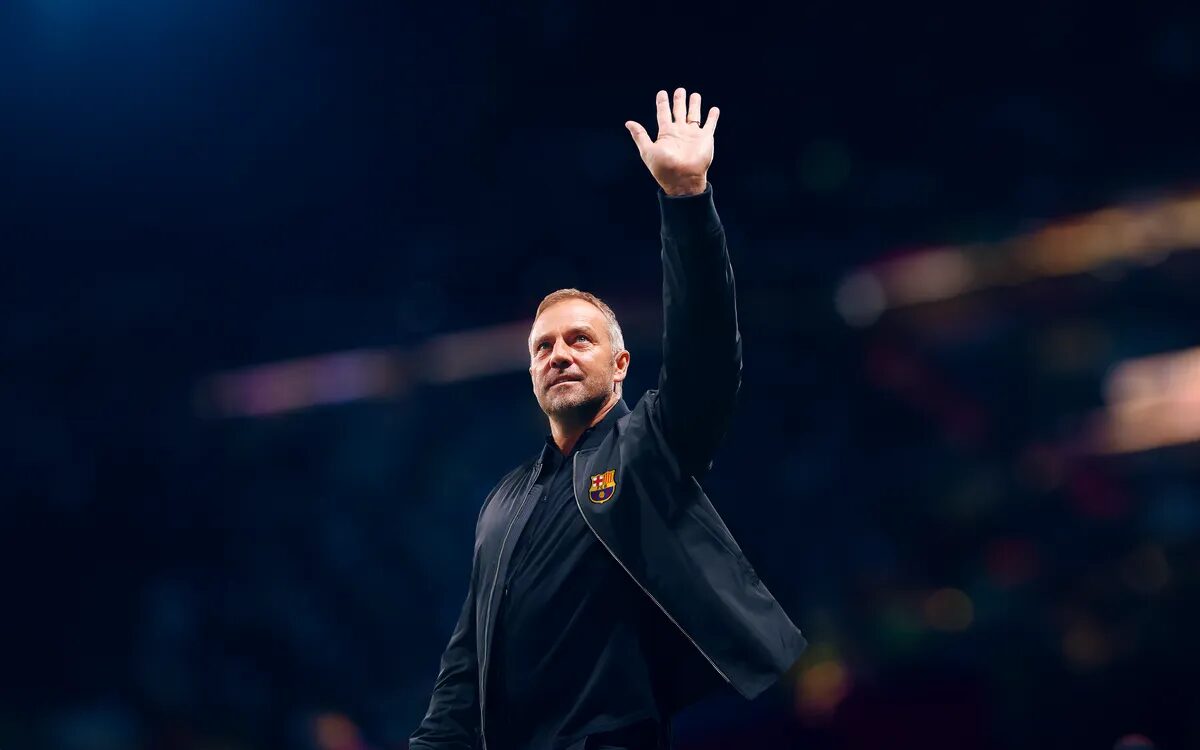
Post-match comments summed up the night perfectly.
Flick admitted: “It’s too easy to score goals against us. We need to tighten up defensively.”
Forbs, meanwhile, described the night as “magical” and believed Brugge deserved more.
From a broader view:
• For Brugge – The performance reaffirmed their European credentials and demonstrated their ability to compete with elite opposition.
• For Barcelona – The draw served as a reminder that creativity alone isn’t enough; structural issues at the back could derail their campaign.
In terms of the standings, Barcelona remained just inside the top-eight threshold, while Brugge’s spirited point kept their playoff hopes alive.
Lessons from a Belgian Battle – Club Brugge vs Barcelona
The Club Brugge vs Barcelona clash embodied everything modern Champions League football represents — high-speed transitions, fearless youth, and technology-driven controversy.
Lamine Yamal’s brilliance underlined Barcelona’s next-generation promise, while Carlos Forbs’ electric display confirmed Brugge’s ability to punch above their weight.
Beyond the 3–3 scoreline, this was a test of mentality and adaptability. For Barcelona, it exposed vulnerabilities still lingering under Flick’s tenure. For Brugge, it was validation — proof that ambition, preparation, and courage can unsettle Europe’s best.
The night in Bruges wasn’t just another fixture — it was a benchmark for both teams’ trajectories as the Champions League league phase moves toward its decisive stages.
About the Author


