

The Tottenham vs Man United clash under the North London lights had all the ingredients of a modern Premier League thriller — emotion, momentum shifts, and high stakes. For Tottenham, the match represented a chance to move within touching distance of second place. For Manchester United, it was about maintaining momentum and staying within reach of the Champions League spots.
The contest lived up to its billing. A 2-2 draw might sound balanced on paper, but the story on the pitch was anything but steady. The match swung from despair to delight for both teams in a matter of minutes, leaving fans gasping at the full-time whistle.
Under a cool November sky, the stage was set for a roller-coaster encounter — and both sides delivered.
First-Half Frustration: Spurs Struggle to Find Spark – Tottenham vs Man United
The first 45 minutes offered little joy for the home supporters. Tottenham, despite enjoying 54% of possession, struggled to create meaningful chances. Their tempo was sluggish, the buildup predictable, and frustration echoed around the stands. Thomas Frank’s setup appeared cautious, aiming to control midfield but offering little penetration in attack.
Manchester United took advantage through Bryan Mbeumo, who linked neatly with Amad Diallo to open the scoring. It was a well-crafted move — a quick break exploiting Spurs’ high line. By halftime, the tension inside the Tottenham Hotspur Stadium was palpable, as boos rumbled through the air.
| Team | First-Half Possession | Shots (On Target) | Goals |
|---|---|---|---|
| Tottenham | 54% | 4 (1) | 0 |
| Man United | 46% | 6 (3) | 1 |
The halftime whistle was almost a relief for Spurs fans, who demanded urgency and spark — qualities missing from their early rhythm.
Frank’s Tactical Gamble Pays Off – Tottenham vs Man United
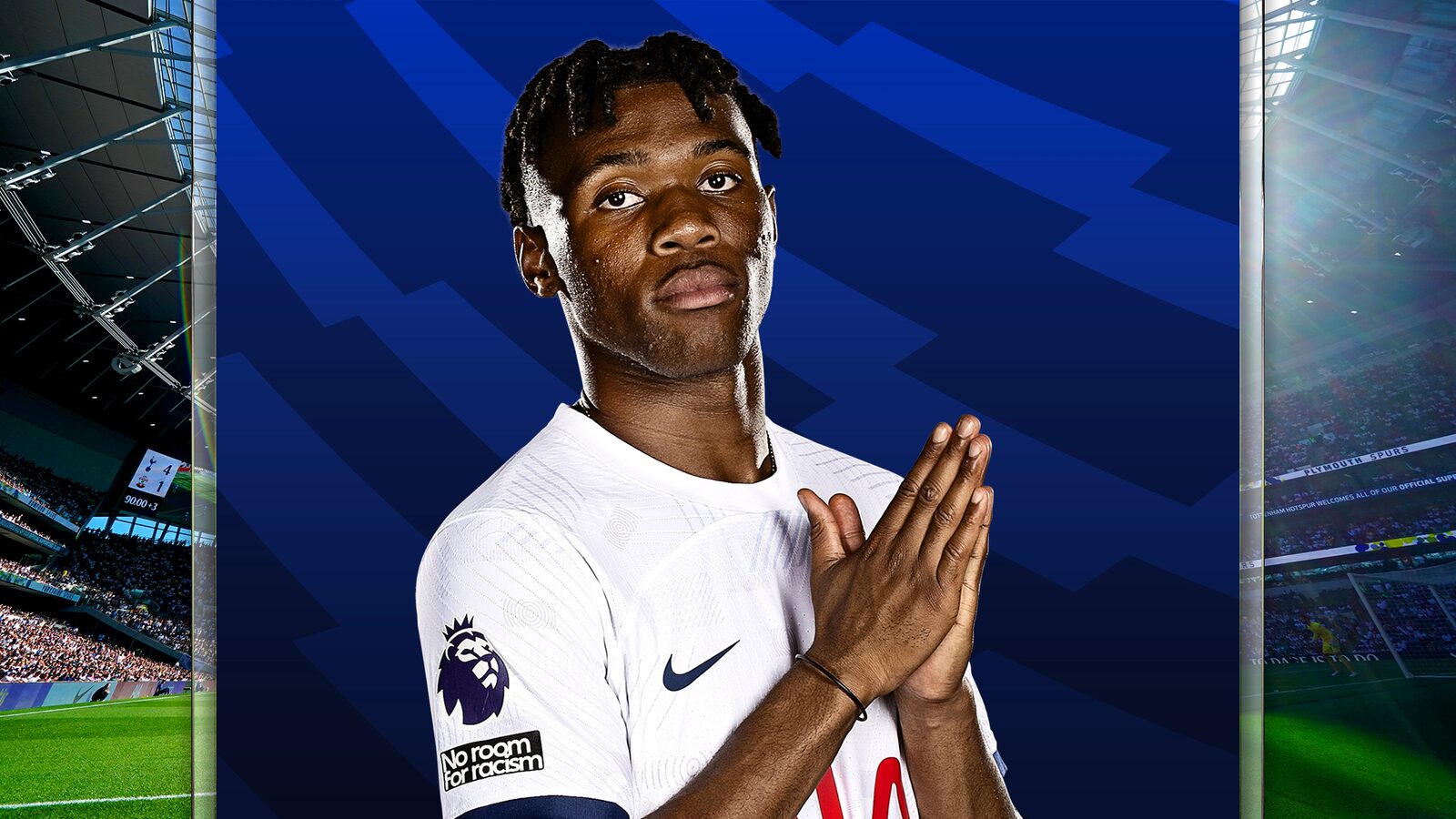
Thomas Frank knew something had to change. His bold call came in the 79th minute: Xavi Simons off, Mathys Tel on. The decision was met with groans from sections of the crowd — Simons had been one of the few bright spots in midfield. Yet, minutes later, that substitution would transform the game.
Tel repaid his manager’s trust instantly, firing home the equalizer in the 84th minute after a quick move involving Wilson Odobert and Destiny Udogie down the left flank. It was a sequence that showcased Tottenham’s squad depth and the value of brave in-game adjustments.
Frank’s expression said it all — part relief, part vindication. His side had finally found rhythm and intensity, proving that calculated risks can pay dividends. As one Reuters analysis put it, “We’re still searching for the right balance up front,” but on this occasion, the balance was just enough to turn the tide.
Late Goals and Late Drama: From Richarlison’s Redemption to De Ligt’s Defiance
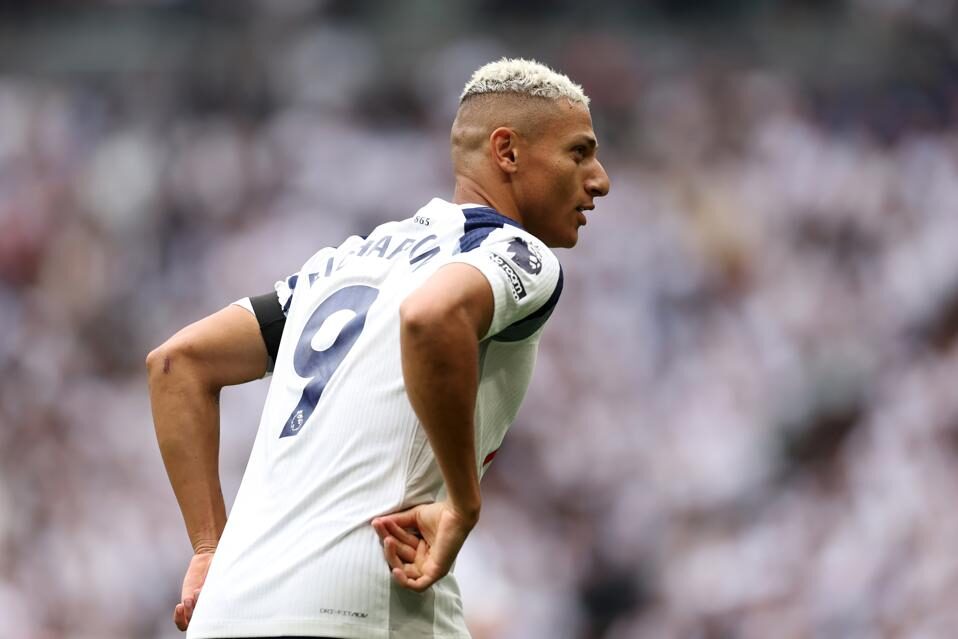
Just when it seemed Tottenham had wrestled control of the match, the final minutes turned chaotic. Richarlison, enduring a 13-match goal drought, found redemption in stoppage time. His 90+1’ strike sent the stadium into delirium — a cathartic release for a player under scrutiny. Teammates mobbed him near the corner flag as chants of his name echoed across the stands.
But football, as ever, has a cruel sense of timing. With seconds left, Matthijs de Ligt rose highest from a corner to head home United’s equalizer at 90+6’. A deflating twist for Spurs, who were seconds away from a vital win.
United had been reduced to 10 men after Benjamin Sesko’s injury late in the game, adding to the shock of their late equalizer. Richarlison knelt in disbelief, Frank stood motionless, and United’s players celebrated with exhausted relief.
It was a reminder of football’s unforgiving margins — one corner, one header, and everything changed.
United’s Perspective: Amorim’s Men Show Resilience but Face Future Challenges
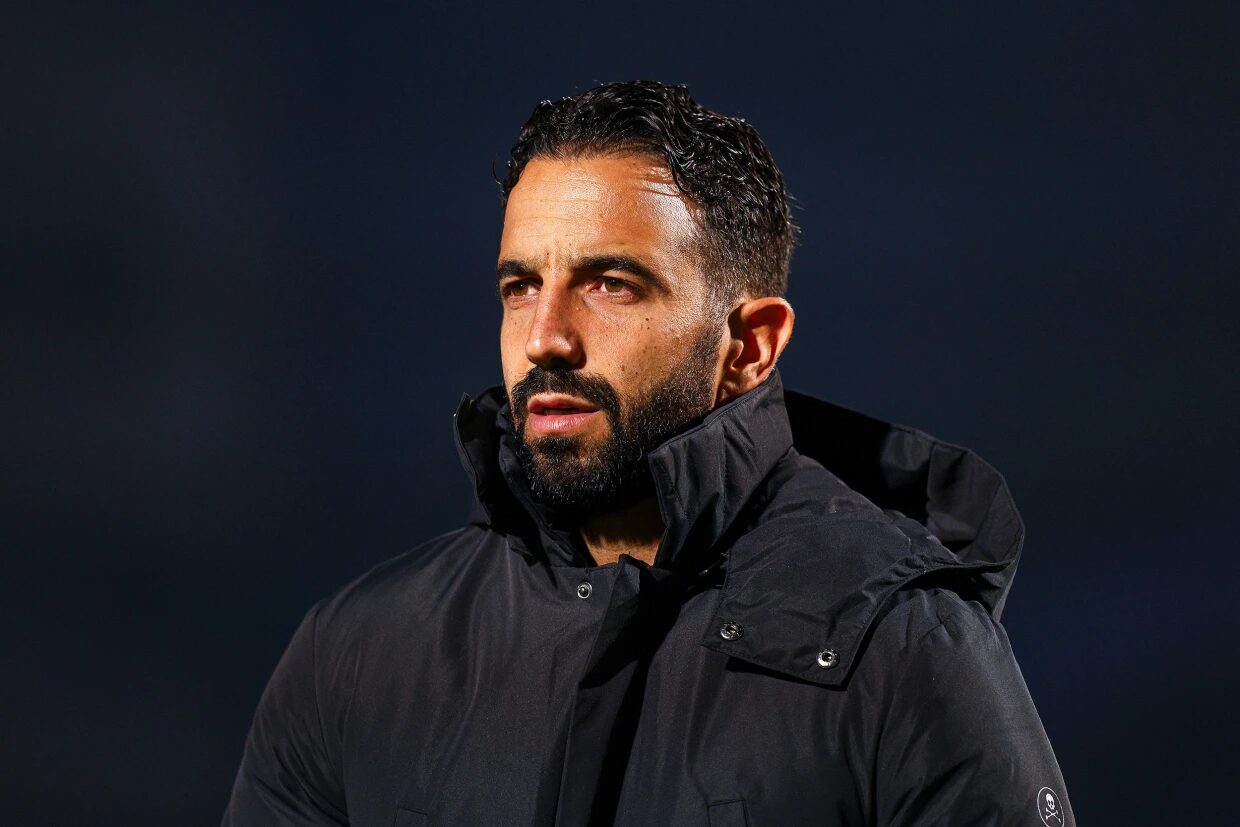
From a Manchester United perspective, the draw extended their unbeaten run to five matches, signaling progress under Ruben Amorim. His tactical approach has brought discipline and shape, but challenges loom large.
Mbeumo and Amad Diallo have become essential to United’s attacking play, yet their upcoming AFCON absences could test Amorim’s depth. Meanwhile, Sesko’s inconsistent form and late injury underscored the need for a reliable No.9.
United’s attack by the numbers:
| Metric | Total |
|---|---|
| Goals | 2 |
| Expected Goals (xG) | 1.8 |
| Crosses | 17 |
| Key Passes | 9 |
Amorim’s decision to include Jack Fletcher, ensuring United’s 88-year run of fielding an academy graduate, highlighted the club’s enduring identity. It was a small yet symbolic nod to tradition amid transition.
Managerial Crossroads and Broader Implications: Margins Define the Modern Premier League – Tottenham vs Man United
Both managers walked off the pitch with mixed emotions. Thomas Frank applauded the fans despite their earlier frustration, embodying his belief in unity and process. Ruben Amorim, meanwhile, defended his players, emphasizing the importance of resilience and perspective.
Their stories mirror the Premier League’s current landscape — ambition balanced by unpredictability.
Key Takeaways:
- Tottenham: 5 points from 6 home games — form at the Tottenham Hotspur Stadium remains inconsistent.
- Manchester United: Five-game unbeaten streak continues, a foundation to build upon.
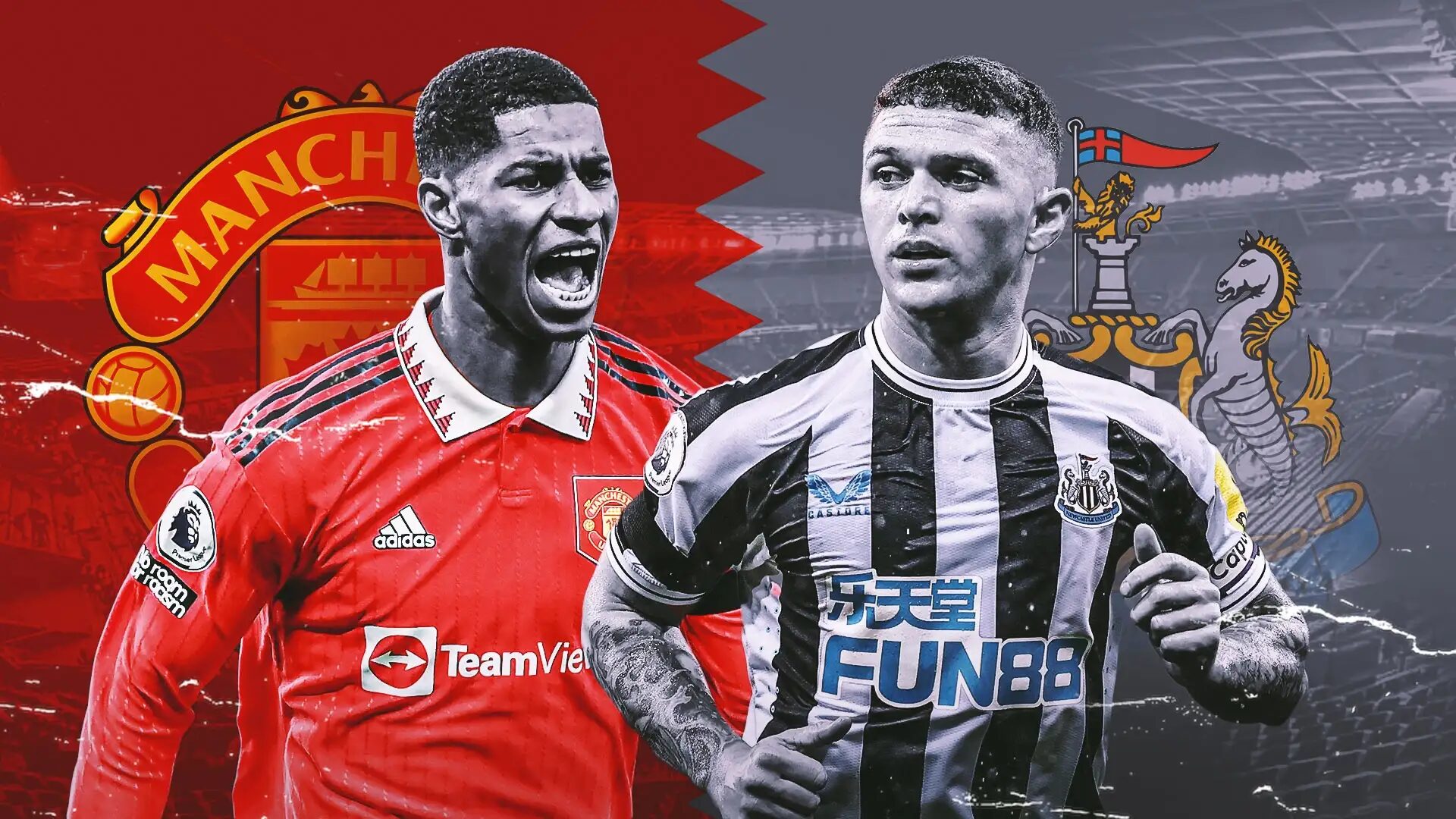
The table shifted subtly: Spurs rose to third, while United held seventh, narrowing the gap to the top six. The upcoming fixtures will test both sides’ character — Spurs face Everton next, needing to convert home draws into wins; United meet Newcastle, a challenge amplified by injuries and looming AFCON absences.
Conclusion: Two Teams, One Message — Fine Margins Rule the Premier League
The Tottenham vs Man United clash was more than a 2-2 draw; it was a snapshot of two clubs searching for balance in contrasting journeys. Tottenham found flashes of belief but continue to wrestle with finishing and consistency. United displayed spirit and structure but remain a work in progress.
In a league defined by razor-thin margins and emotional swings, both sides left North London with pride intact — but with unfinished business still ahead.
About the Author


