

Liverpool entered this match needing clarity, stability, and a response, yet the evening instead amplified every question surrounding the Liverpool crisis explained narrative. A team already nursing wounds from five defeats in six league matches stepped into Anfield with pressure unbearable for a defending champion — and left with even more collective doubt.
Nottingham Forest, meanwhile, arrived with a different energy entirely. Fighting relegation but rejuvenated under Sean Dyche, they played with confidence, structure, and belief. Their 3–0 victory wasn’t merely an upset; it was one of the most shocking home defeats of Liverpool’s modern era. Anfield — a ground known for comebacks and resilience — witnessed rare capitulation, both on the pitch and in the stands, as supporters left early in disbelief.
It was a night where the atmosphere mirrored the performance: anxious, fragmented, and deeply unfamiliar for a stadium accustomed to dominance.
The Tactical Narrative: How Forest Outplayed the Champions
Sean Dyche’s approach was defined by simplicity, structure, and efficiency — three qualities Liverpool lacked throughout the evening. His Nottingham Forest side pressed selectively, went long when needed, and competed ferociously for second balls. Their compact defensive block denied Liverpool central progression, while rapid transitions repeatedly exposed a fragile back line.
Arne Slot, confronted with Forest’s discipline, saw his own systems unravel. Liverpool’s early 4-3-3 shape showed flashes of control before conceding, but the moment the first goal went in, the structure collapsed. Pressing became disjointed, ball circulation slowed, and transitions broke down easily. Experimental adjustments — including Szoboszlai at right-back and Gravenberch dropping into deeper zones — only added confusion rather than stability.
Match Snapshot: Liverpool vs Nottingham Forest (Tactical Overview)
| Phase | Liverpool | Forest |
|---|---|---|
| Opening 20 Minutes | Controlled possession with little impact | Stable defensive shape, patient approach |
| Late First Half | Struggled to connect midfield to attack | Threatened on counters and set-pieces |
| Second Half | Lost defensive shape after restart | Clinical finishing, sustained momentum |
Dyche’s simplicity triumphed over Slot’s experimentation — and that contrast defined the match.
The Turning Points: Controversy, Collapse, and Forest’s Ruthlessness
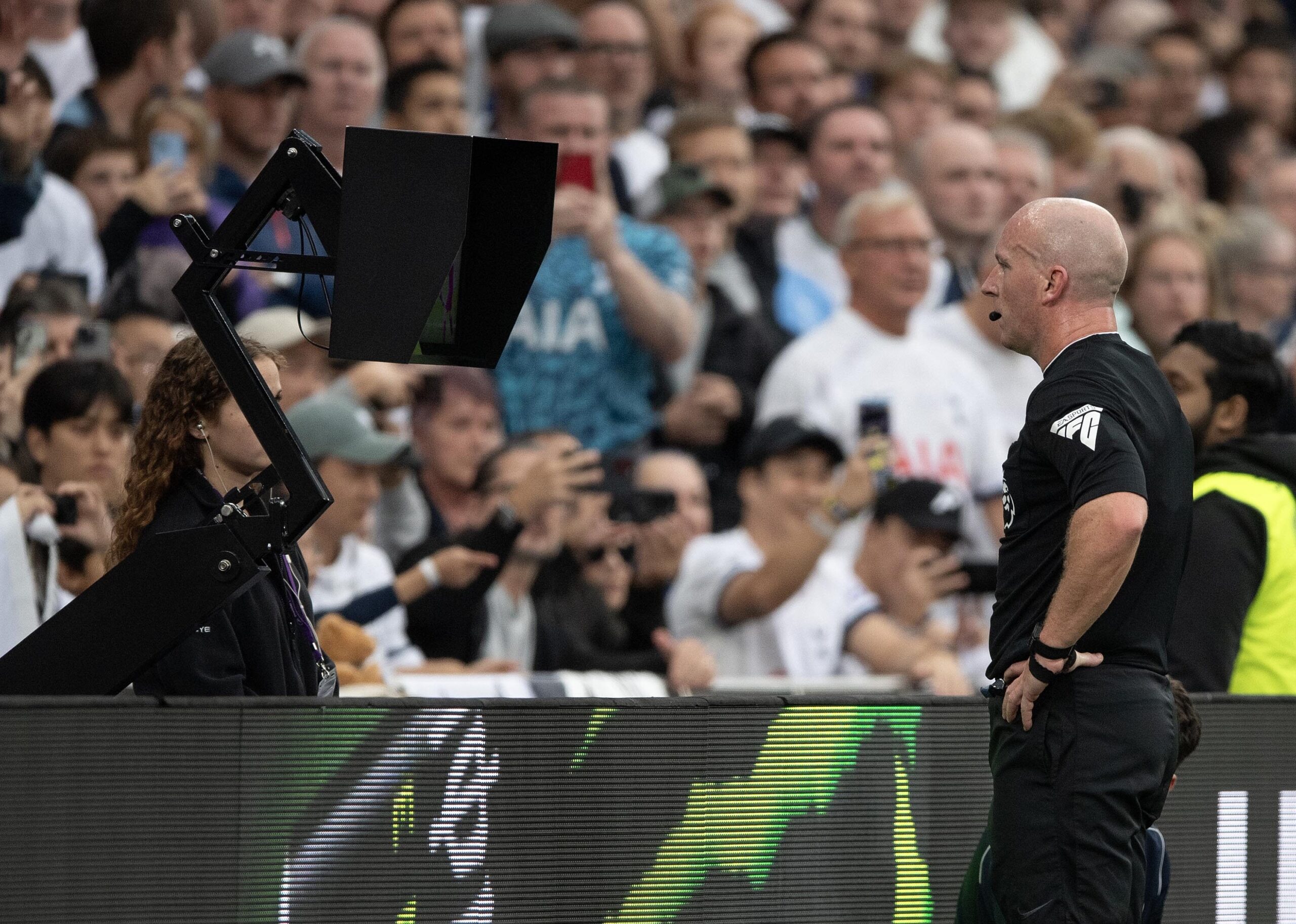
Liverpool’s recurring set-piece problems resurfaced in the worst way. They conceded their ninth set-piece goal of the season — already matching last year’s total. Confusion in marking, slow reactions, and failure to defend the second phase allowed Murillo to strike through traffic. Ndoye stood in Alisson’s line of sight, prompting another VAR flashpoint that went against Liverpool. The frustration was visible across the squad and the stands.
The second half began even worse. Just 39 seconds after the restart, Williams carved through Liverpool’s passive defensive line, feeding Savona who finished unmarked. Symbolically, Liverpool had switched off mentally — and Forest seized the moment.
Slot attempted to regain control, removing Konaté early and hooking Isak after another ineffective display. Chiesa and Ngumoha injected energy, but the team lacked shape. Forest, sensing vulnerability, expanded their transitions, and Liverpool’s structure deteriorated further.
The third goal sealed the atmosphere. Hutchinson dismantled Robertson on the flank before drawing a save, and Gibbs-White pounced to score his third consecutive league goal. As the ball hit the net, large sections of the Kop began to empty — a rare and telling sight.
Individual Performances & Statistical Reality: A Team Out of Ideas – Liverpool crisis explained
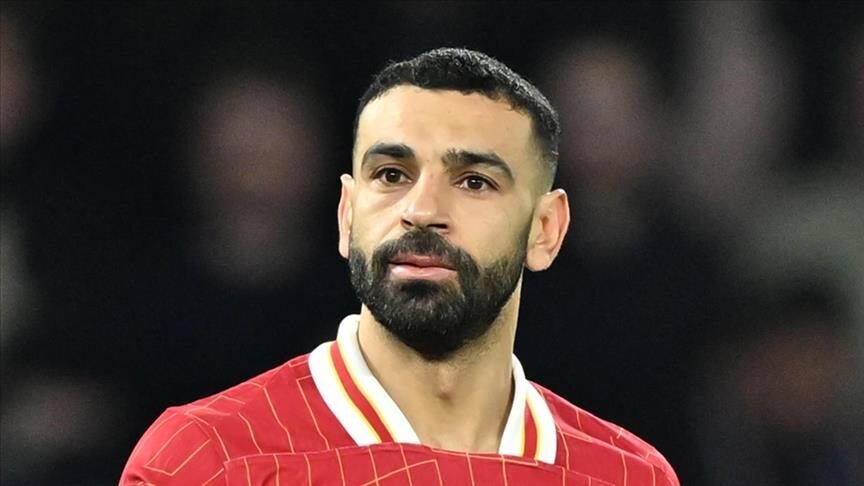
Liverpool’s senior figures struggled. Salah started brightly but faded, while Isak lost all seven duels. Van Dijk and Konaté looked disjointed, and Mac Allister missed Liverpool’s clearest chance. Makeshift roles — like Szoboszlai at right-back — further weakened the spine.
Forest’s standouts, meanwhile, defined the match. Murillo was dominant defensively and decisive in attack. Williams’ runs, Savona’s instinctive positioning, and Gibbs-White’s energy crushed Liverpool’s attempts at momentum.
The Numbers Behind the Decline
- 6 losses in 7 league matches
- Back-to-back three-goal defeats at Anfield for the first time since 1965
- 74% possession but fewer high-value chances
- Forest become only the fourth team ever to win by 3+ goals at Anfield
Forest’s performance marked a historic achievement: consecutive wins under Dyche and a move out of the relegation zone for the first time all season.
What This Means for Slot: A Title Defence in Freefall – Liverpool crisis explained
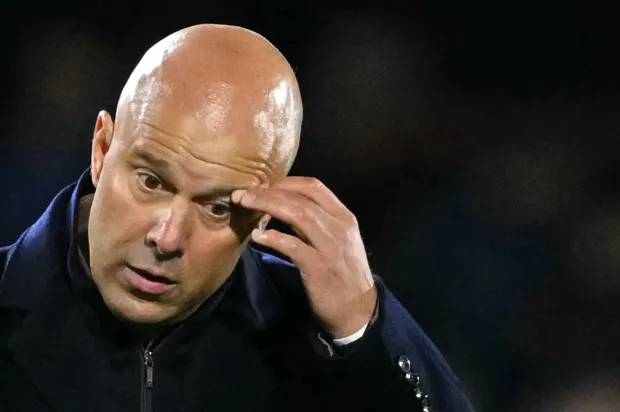
Arne Slot accepted responsibility post-match, noting Liverpool’s wastefulness and recurring fragility. Yet deeper issues linger beneath the surface: chaotic set-piece defending, unstable pressing, reliance on Salah, and unclear tactical identity. The Liverpool problems extend beyond form — they reflect structural concerns.
Forest, meanwhile, have embraced Dyche’s identity. Simplified roles, long-ball patterns, compact shape, and fearless transitions have turned struggling players into disciplined contributors. They played with freedom; Liverpool played with fear.
Anfield’s atmosphere captured the emotional reality. Anxiety grew after the opener. Van Dijk admitted the dressing room felt “very bad.” Liverpool’s buildup lacked confidence, while Forest displayed growing belief with every attack.
Conclusion: A Historic Shock With Lasting Consequences – Liverpool crisis explained
Nottingham Forest’s 3–0 win at Anfield was more than an upset — it exposed the deeper layers of a team in crisis. For Liverpool, this defeat highlights tactical uncertainty, declining form from senior players, and structural problems that demand urgent attention. For Forest, it represents the clearest sign yet that Dyche’s survival plan is taking shape.
As the season continues, this result may be remembered as a defining moment: the night Liverpool’s title defence hit breaking point and the night Forest discovered a new identity. For supporters and analysts alike, the Liverpool crisis explained narrative now has a new chapter — and its implications will echo far beyond this shocking evening at Anfield.
FAQs
About the Author


