

The year’s slate of Best FPS Games 2026 reflects a shift away from formula and spectacle toward precision design, narrative intent, and mechanical boldness. Instead of chasing the same crowded lanes, developers are leaning into specialized experiences—zero-G combat labs, simulation-driven squad tactics, cyberpunk verticality, and grounded horror built around breathing room rather than jump scares. Void Marauder: Legacy of the Silent Fleet embodies this evolution, offering a slow-burn, atmospheric odyssey that proves silence can be deadlier—and more memorable—than constant noise.
Quick Look
- 1. Void Marauder and the New Shape of Atmospheric FPS Design
- 2. How 2026’s Best FPS Games Redefine Tactical Depth
- 3. Zero-G Verticality and the Rise of Sci-Fi FPS Worldbuilding
- 4. Why Military Simulation FPS 2026 Titles Push Realism Further
- 5. The Emergence of Next-Generation Arena Shooters and Destructible Maps
Void Marauder and the New Shape of Atmospheric FPS Design
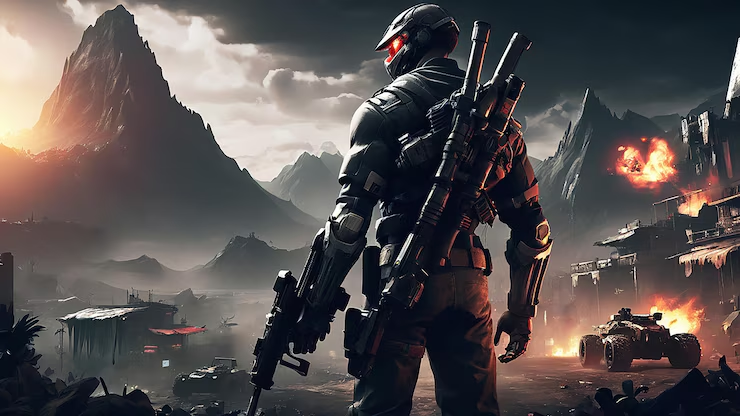
Void Marauder: Legacy of the Silent Fleet does not chase spectacle—it stalks you with it. Instead of the usual bombastic FPS pacing, the game builds its identity around tension curves, environmental storytelling, and a unique mechanical language built on silence, inertia, and isolation. Where many of the Best FPS Games 2026 rely on rapid feedback loops, this title slows everything down, making each encounter feel weighted, intentional, and personal.
Critics praise its subtlety: sound design built around low-frequency ship groans, oxygen-regulated breathing systems, and motion-sensed threats that reward calm rather than aggression. It’s atmospheric design as game philosophy, and few titles wield that with such quiet precision.
How 2026’s Best FPS Games Redefine Tactical Depth
Tactical shooters in 2026 share a common thread: every step counts. Gone are the overly generous aim assists, exaggerated recoil resets, and simplified planning phases. Modern tactical FPS titles now bake decision-making into the environment—dynamic sound propagation, destructible cover that genuinely matters, and AI companions driven by situational awareness rather than scripted patterns.
This shift reflects a broader appetite for games that reward patience. Whether in squad-based simulations or tightly constructed corridor shooters, tactical literacy—reading angles, anticipating reactions, and managing resources—has become central to the FPS landscape.
Zero-G Verticality and the Rise of Sci-Fi FPS Worldbuilding
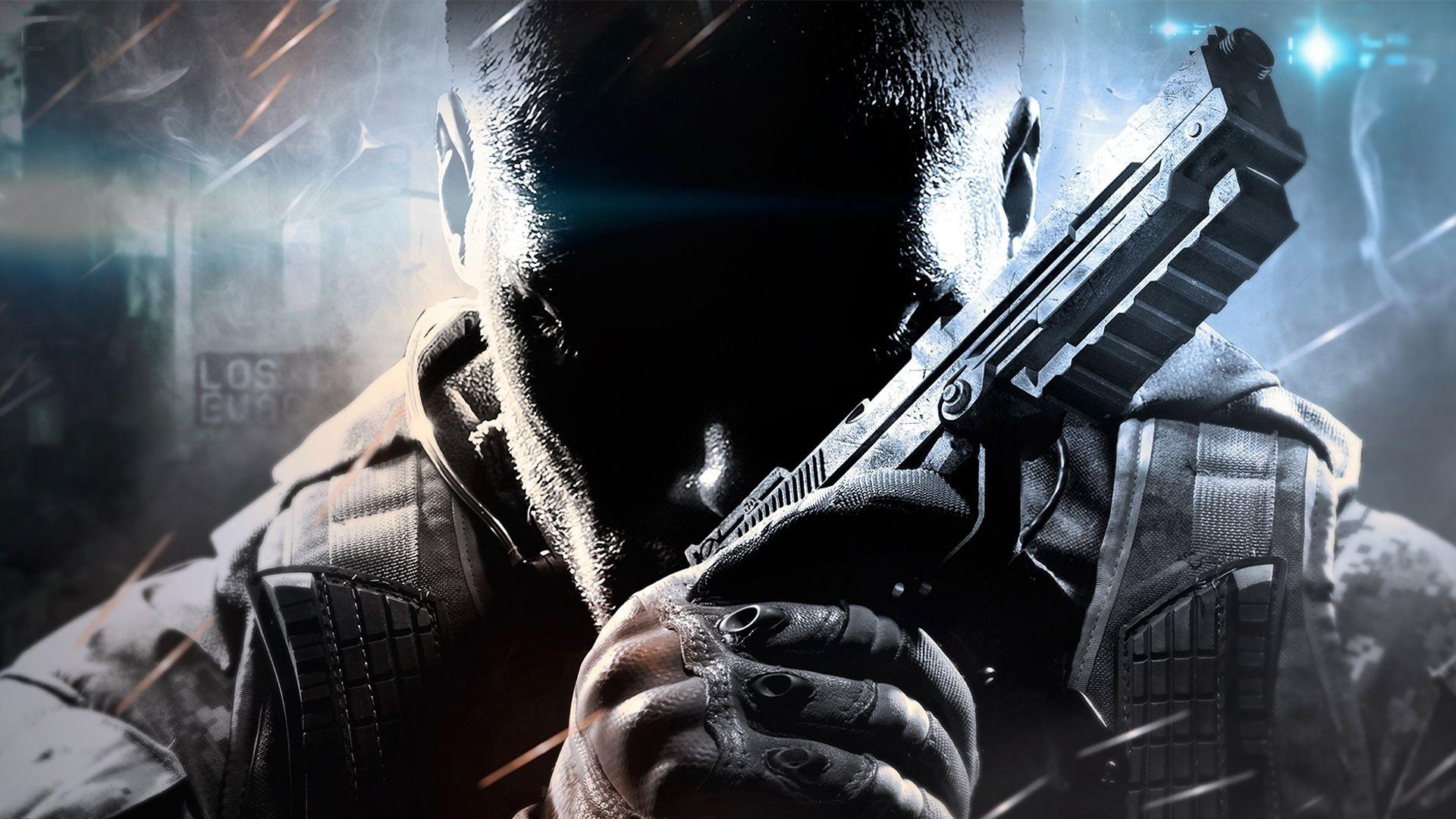
Sci-fi shooters in 2026 no longer treat zero-gravity as a gimmick. Instead, developers use it to create three-dimensional battlefields where verticality is not optional but fundamental. Rotational momentum, inertia-based aiming patterns, and vector-driven recoil all shape engagements.
Void Marauder especially stands out here. Its drifting ship graveyards, half-collapsed orbital stations, and fractured cargo rings allow players to fight in slow-motion chaos while maintaining tactical clarity. The result: firefights that feel like puzzles solved through movement rather than raw reaction time.
Why Military Simulation FPS 2026 Titles Push Realism Further
Simulation FPS games this year have shifted toward authenticity rather than punishing difficulty. Realistic ballistics now consider atmospheric distortion, wind layering, and material penetration. Squad commands use context-aware positioning, and med-systems finally abandon arcade-style regeneration in favor of triage-based healing.
These design choices aren’t merely “hard for hardness’ sake”—they build tension. Instead of rushing into open spaces, players must coordinate, predict, and adapt. Critics see this as proof that simulation shooters are no longer a niche; they are foundational pillars in the 2026 FPS ecosystem.
The Emergence of Next-Generation Arena Shooters and Destructible Maps
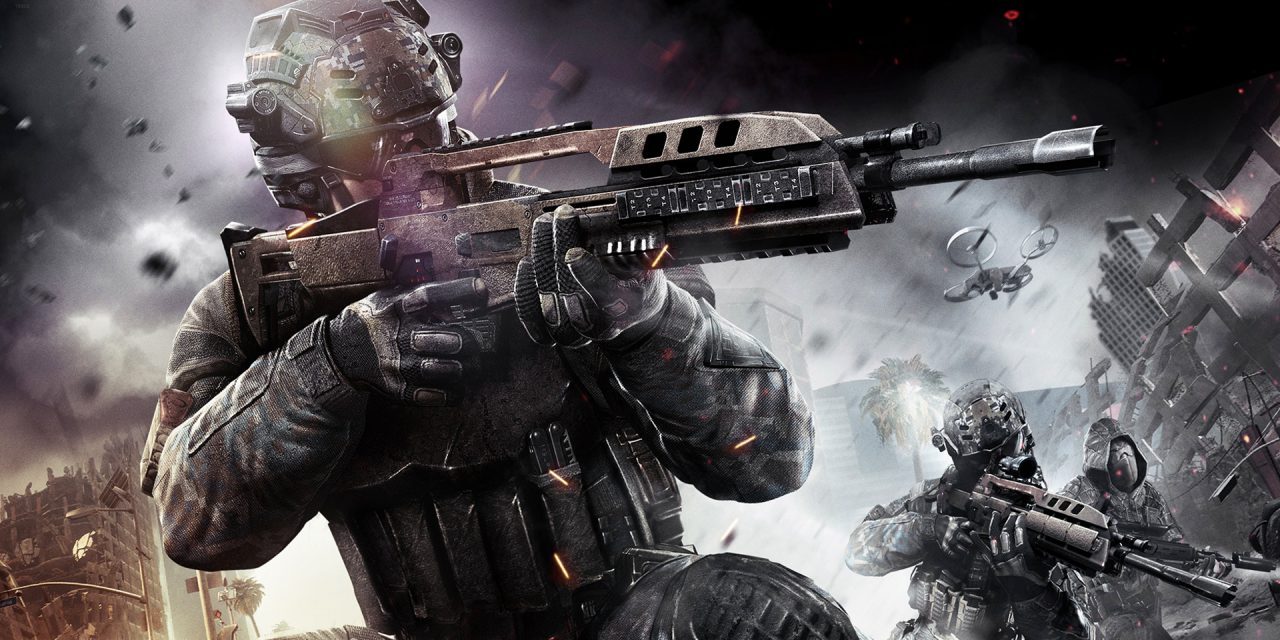
Arena shooters are experiencing a renaissance, empowered by physics-driven destruction systems. Entire map sections can collapse, thermal detonations can reshape chokepoints, and reactive materials deform differently depending on weapon class.
These destructible maps do more than add spectacle—they introduce uncertainty and improvisation into every match. Instead of memorizing static layouts, players respond to evolving terrain, creating a competitive structure that feels both old-school and cutting-edge.
Closing
The Best FPS Games 2026 demonstrate that innovation doesn’t need to sacrifice identity. Whether through silence, simulation, worldbuilding, or destruction-driven chaos, each title pushes the genre forward in its own direction. Void Marauder exemplifies the quiet ambition defining this year’s shooters—proof that the future of the FPS genre lies not in louder explosions, but in deeper, more intentional design.
Best FPS Games 2026 — FAQ
Questions about new shooters, sci-fi combat, and next-generation FPS innovation
Q1: What makes Void Marauder different from other FPS games in 2026?
Q2: Are sci-fi shooters more popular than military FPS titles in 2026?
Q3: How important is destructible terrain in modern FPS gameplay?
Q4: Is zero-gravity combat difficult to learn for new players?
Q5: Which FPS games in 2026 are best for co-op?
About the Author


