

The countdown to January 24 has officially begun. As the New Zealand racing calendar builds toward its most lucrative sunset, the spotlight intensifies on the feminine power preparing to descend on Auckland. This Karaka Millions 2026 filly preview explores a field defined by precocity, high-stakes breeding, and the tactical brilliance of the country’s leading stables. With the New Zealand bloodstock 100th sale milestone serving as the backdrop for this year’s festivities, the prestige associated with a win at Ellerslie has never been higher.
For many of these fillies, the journey didn’t start on the track, but in the Karaka sales ring. Now, they return to prove their value in a high-pressure environment that rewards both speed and temperament.
The Essentials: Race Day at a Glance – Karaka Millions 2026 Filly Preview
Analyzing the 3YO Powerhouses: Lollapalooza and Fleeting Star
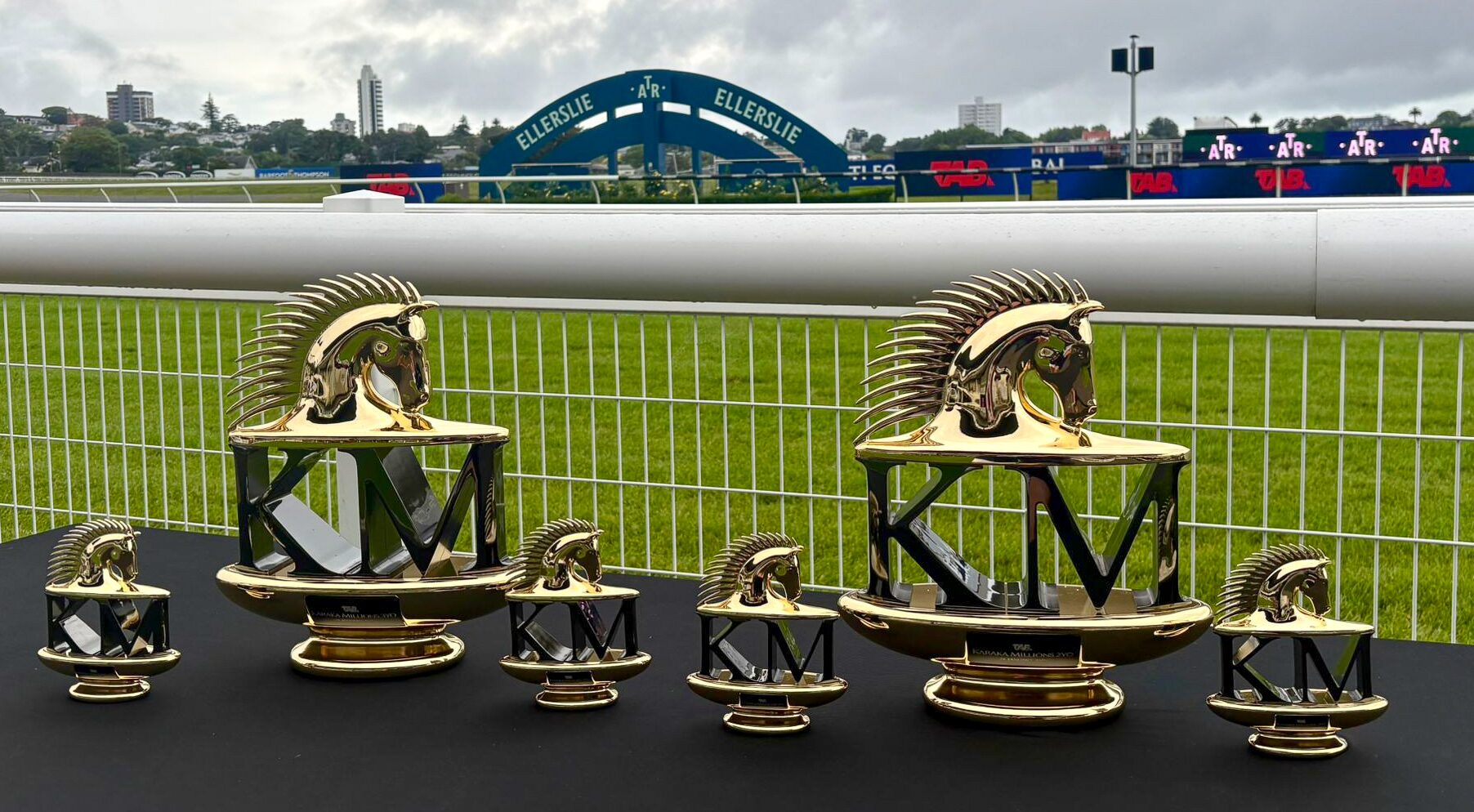
When discussing the karaka millions 2026 full field analysis, two names consistently surface at the top of the betting markets. The lollapalooza horse profile is one of sheer athletic progression. After showing flashes of brilliance as a juvenile, she has returned as a three-year-old with increased physical presence and a devastating turn of foot.
However, she isn’t without competition. The lollapalooza and fleeting star km 3yo preview suggests a classic tactical battle. While Lollapalooza prefers to sit off the pace and launch a late assault, Fleeting Star has shown an ability to put herself in the race early, making her a dangerous prospect on the often-speed-favoring Ellerslie turf.
“The 3YO fillies this year represent some of the best value to come out of the Karaka sales in recent memory. It’s not just about speed; it’s about who can handle the Ellerslie atmosphere on a capacity night.” — NZ Racing Analyst
The Te Akau Factor and the “Sword of State” Influence – Karaka Millions 2026 Filly Preview
You cannot conduct a karaka millions 2026 filly preview without mentioning the “Tangerine” army. Te Akau racing km 2026 contenders are once again set to dominate the entry list, led by the formidable David Ellis and trainer Mark Walker.
A specific point of interest this year is the state the obvious sword of state filly profile. As the first crops of the champion sprinter Sword of State hit the track, “State the Obvious” has emerged as a flagbearer for the sire. She embodies the “jump and run” style that has become synonymous with the stable’s success in this million-dollar feature.
- Te Akau KM dominance: Seeking to extend their record-breaking winning streak in the 2YO feature.
- Expert horse racing tips: Watch for late-season improvers who secured their spot via the karaka millions order of entry breakdown in the final fortnight.
- Tactical Versatility: Many of the leading fillies have shown they can handle both soft and firm tracks, a vital trait for the Auckland summer.
Milestone Moments: The 100th Sale and Karaka Sales 2026

The 2026 edition of the race is more than just a contest; it is a celebration of a century of excellence. The karaka sales 2026 will be held alongside the races, marking the new zealand bloodstock 100th sale milestone. This creates a unique “cycle of success” where prospective buyers watch the top fillies to watch at ellerslie january 24 compete for millions before heading to the stables to buy the next generation.
This cultural intersection of high-stakes commerce and elite sport is what defines nz horse racing. The ellerslie contenders this year are competing for more than just a trophy; they are cementing the commercial viability of their bloodlines for the next decade.
Final Field Breakdown: What to Expect
As we look at the karaka millions 2yo and 3yo race preview, the depth of the filly contingent is remarkable. From the blue-blood syndicates to the smaller owner-trainers, the dream of an ellerslie race day feature analysis win remains the ultimate goal.
Conclusion: A Night for the History Books – Karaka Millions 2026 Filly Preview
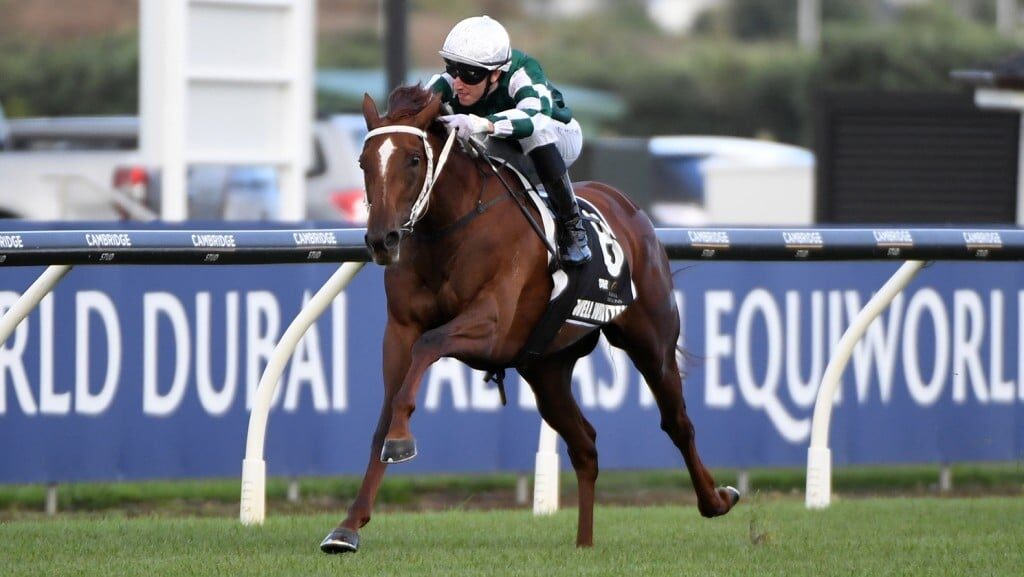
The 2026 season is shaping up to be a transformative year for the sport in New Zealand. With revamped facilities and the prestige of a centenary sale, the Karaka Millions 2026 filly preview highlights a crop of female athletes that are faster and more robust than ever. Whether it is the established dominance of the tangerine silks or an underdog rising to the occasion, the journey to the winner’s circle will be a testament to the enduring quality of New Zealand breeding. Fans and punters alike should keep a close eye on the final trials, as the road to glory at the Karaka Millions 2026 is officially open.
About the Author


