

The gaming landscape has shifted significantly, moving away from the era of “map-marker fatigue” toward a more sophisticated philosophy of player freedom. In 2026, the term open world game 2026 doesn’t just refer to the latest release on the shelf; it describes a rich ecosystem where high-fidelity realism meets boundless mechanical creativity. Today’s players are looking for more than just vast acreage; they seek “organic discovery”—the feeling that a world exists independently of their presence. Whether it is the meditative silence of a historical landscape or the neon-drenched verticality of a futuristic metropole, the current year is defined by worlds that reward curiosity rather than just following a compass needle.
To understand where the genre stands today, we can categorize the current heavy hitters by their primary design philosophy:
| Category | Representative Titles | Key Appeal |
|---|---|---|
| Narrative Depth | The Witcher 3, Baldur’s Gate 3 | Morally complex choices and deeply lived-in storytelling. |
| Mechanical Freedom | Zelda: Tears of the Kingdom, Elden Ring | Physics-driven systems with minimal hand-holding. |
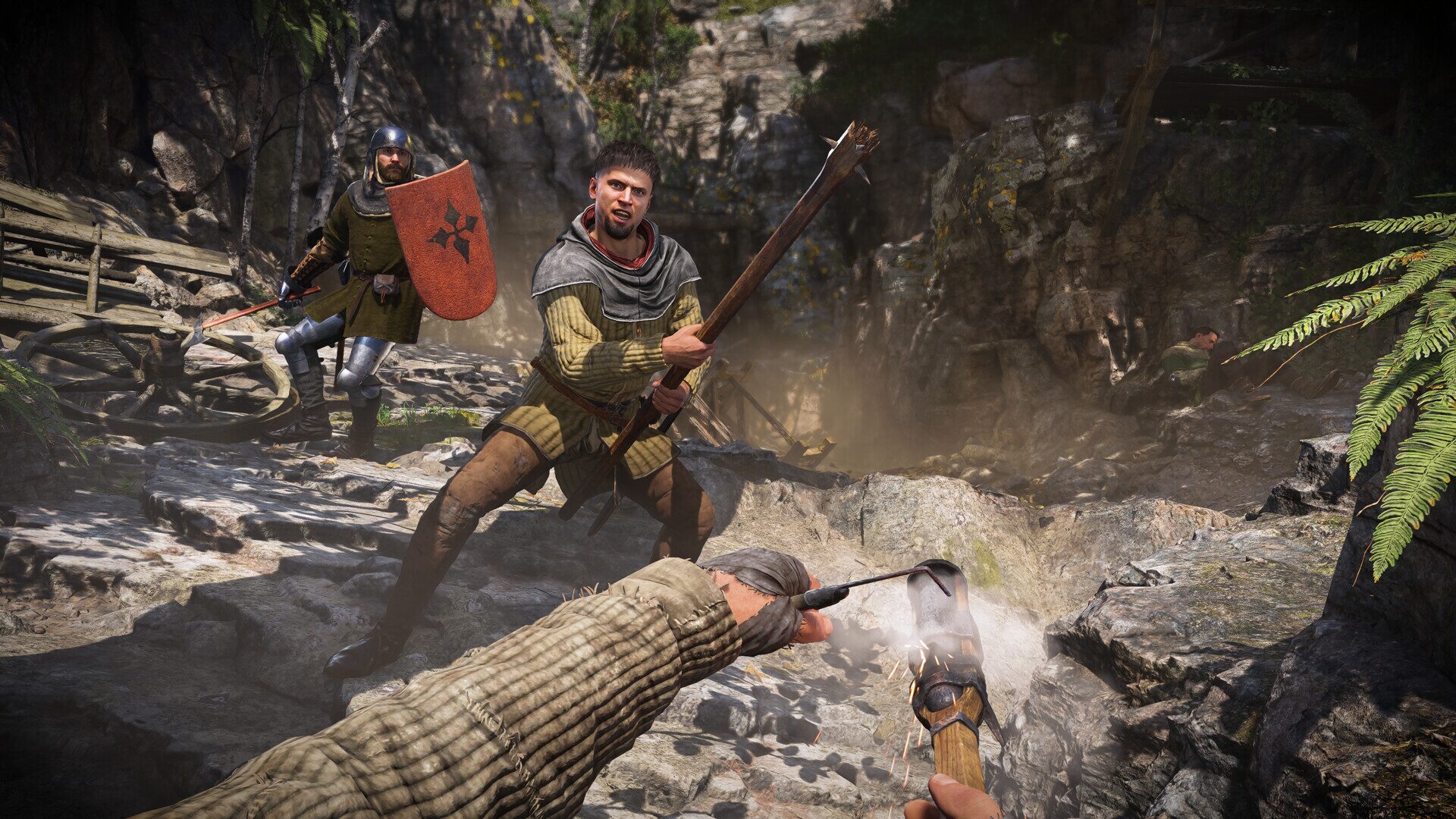
| Atmospheric Realism | Red Dead Redemption 2, Kingdom Come: Deliverance II | Unparalleled immersion and environmental authenticity. |
| Evolving Worlds | No Man’s Sky, Cyberpunk 2077 | Massive post-launch transformations and world density. |
Defining Qualities of a Premier Open World Game 2026
What makes a world truly “top-tier” in the current market? Industry analysts and players alike have coalesced around a few non-negotiable pillars. First is player agency and consequence. Modern RPG open world titles, such as Baldur’s Gate 3, have set a staggering benchmark where the world reacts to even the smallest decisions, making each playthrough feel personal. This is a far cry from the static worlds of the past.
Furthermore, the exploration games of 2026 have mastered the art of intrinsic motivation. Titles like Elden Ring and The Legend of Zelda: Tears of the Kingdom prove that players don’t need a UI cluttered with icons if the terrain itself is interesting enough to investigate. This “living world” aspect is further bolstered by:
- Dynamic Ecosystems: NPCs with complex daily schedules (seen in Kingdom Come: Deliverance 2).
- Verticality: Night City in Cyberpunk 2077 remains the gold standard for dense, multi-layered urban design.
- Hand-crafted Content: A move away from procedural filler toward side quests that rival the main narrative in quality.
Proven Classics and the New Guard of Adventure Games
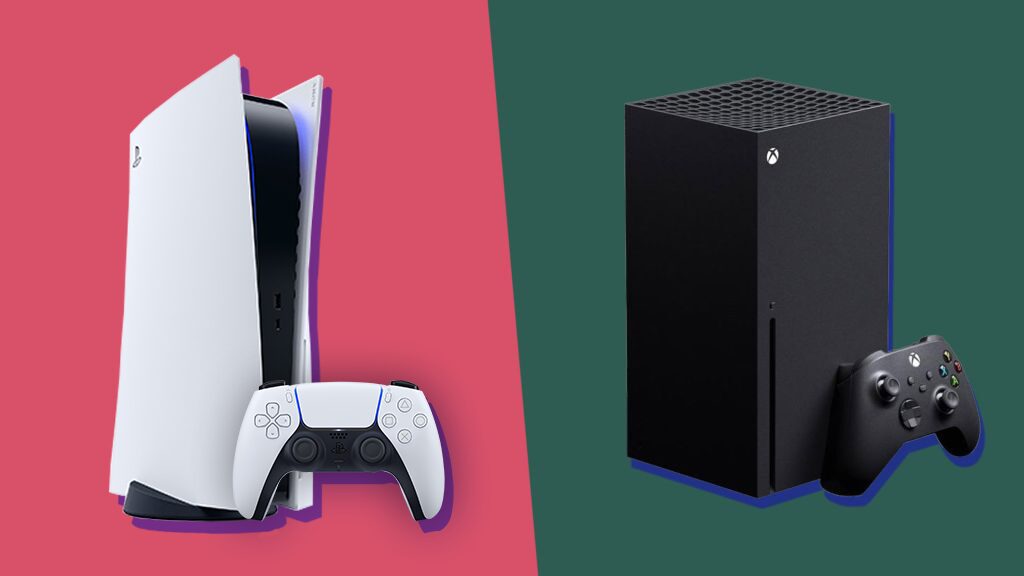
While the gaming list 2026 features plenty of newcomers, the year is uniquely characterized by the longevity of “Modern Classics.” Thanks to PS5 games and Xbox Series X backward compatibility, titles like The Witcher 3: Wild Hunt and Red Dead Redemption 2 remain at the top of many “must-play” lists. These aren’t just legacy titles; they are benchmarks for realism and storytelling that new releases are still measured against.
However, we are also seeing a surge in specialized niches. For those seeking latest open world game releases 2026, there is a clear split in trends:
- Historical Immersion: Kingdom Come: Deliverance 2 offers a hyper-realistic medieval simulation for those tired of fantasy tropes.
- Sci-Fi Grandeur: Starfield provides scale with over 1,000 planets, while The Outer Worlds offers a tighter, more satirical experience for fans of PC games.
- Action Systems: Dragon’s Dogma 2 continues to impress with its “Pawn” system, providing a unique cooperative feel in a single-player environment.
- Aesthetic Beauty: Ghost of Yotei has captured the community’s attention for its meditative approach to discovery and visual storytelling.
Future Horizons: Upcoming Open World Games to Watch
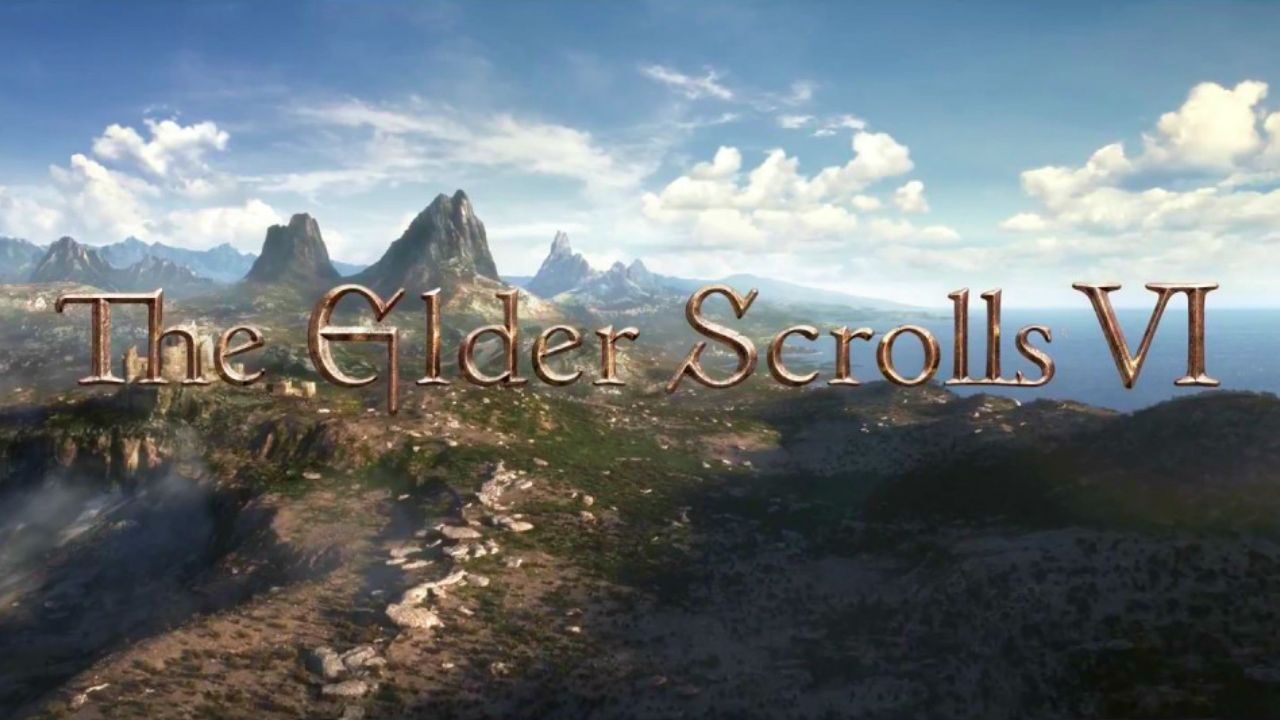
As we look toward the latter half of the decade, the anticipation for new releases remains at a fever pitch. While we are currently enjoying a “golden age” of refined experiences, the industry is bracing for the next generation of genre-definers. The “Big Three”—The Elder Scrolls VI, The Witcher 4, and GTA 6—cast long shadows over the industry. Even though they may not be in every player’s hands just yet, their development influences current design trends, particularly regarding AI-driven NPCs and seamless world-to-space transitions.
Accessibility also plays a massive role in the best games 2026. We are seeing a significant rise in:
- Remasters and Rereleases: Updated versions of gems like The Elder Scrolls IV: Oblivion allow modern audiences to experience foundational titles with 2026-standard visuals.
- Cross-Platform Play: Ensuring that a top open world RPG for 2026 can be enjoyed with friends, regardless of whether they are on console or PC.
- Live-Service Evolution: Games like Sea of Thieves continue to prove that an open world can be a “forever game” through constant, transformative updates.
Final Thoughts on the Open World Game 2026 Landscape
The current state of the genre suggests that the “ultimate” experience is no longer defined by the size of the map, but by the depth of the interaction within it. Whether you are seeking the most immersive open world games 2026 has to offer or looking to revisit a remastered classic, the options are more diverse than ever. From the punishing but rewarding peaks of the Lands Between to the neon alleyways of a reconstructed Night City, these virtual spaces offer a level of agency that was once the stuff of science fiction.
As the industry continues to balance technical prowess with narrative soul, players find themselves in a unique position where the “best” game is whichever one aligns with their personal sense of wonder. With the open world game 2026 market continuing to evolve through updates, remasters, and groundbreaking new IPs, the journey into these digital frontiers is really only just beginning.
About the Author


