

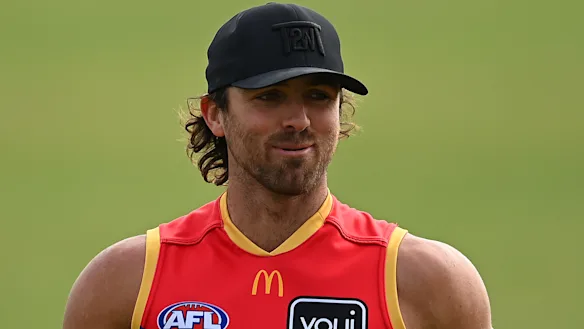
The recent ban of Rhys Mathieson (AFL former player banned) has stirred debate about how strictly the Australian Football League and affiliated bodies monitor performance-enhancing substances not just at the elite level, but in feeder leagues and ex-players’ transitions.
Overview of AFL’s anti-doping landscape – AFL former player banned

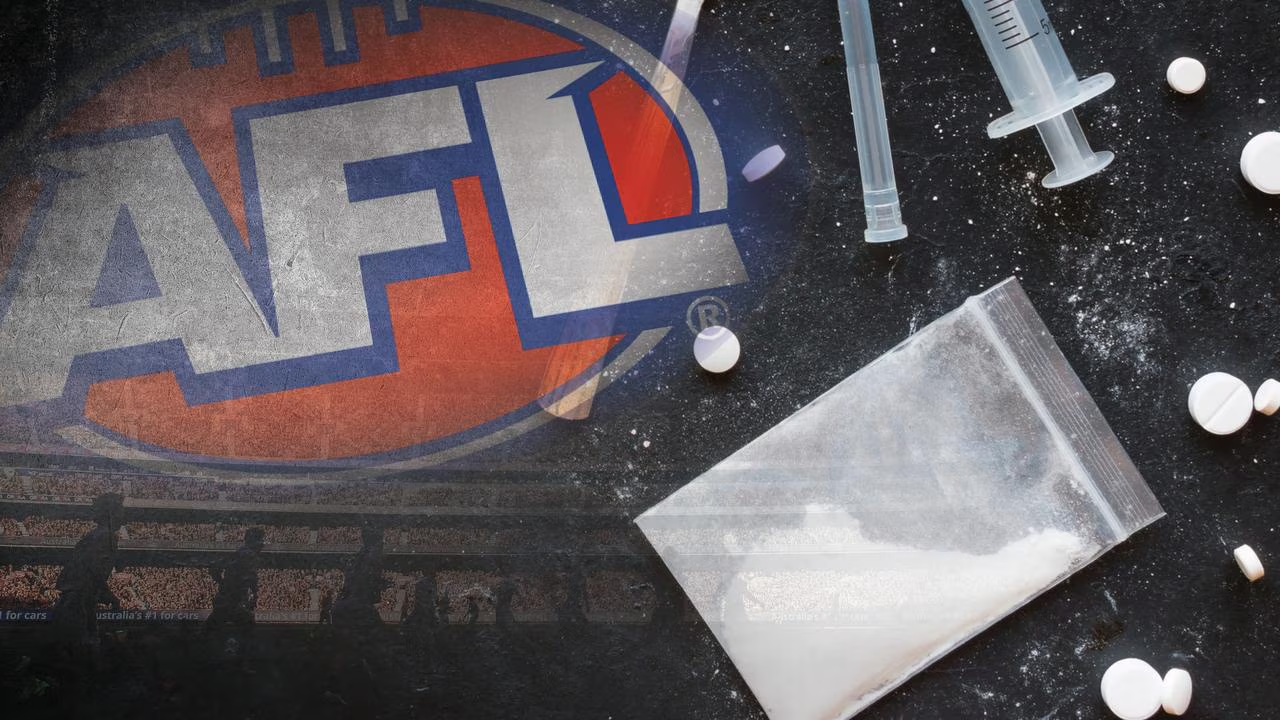

Australia’s anti-doping framework follows WADA standards, enforced through the Sport Integrity Australia (SIA) partnership with the AFL. Testing is consistent at the elite level—pre-season, random, and match-day checks are routine. However, once players move into semi-professional environments, oversight becomes fragmented.
While the AFL has robust systems, feeder competitions often depend on limited funding and part-time administration. Therefore, the further a player drifts from the AFL system, the more compliance gaps appear.
AFL former player banned: jurisdiction, timing & sanction


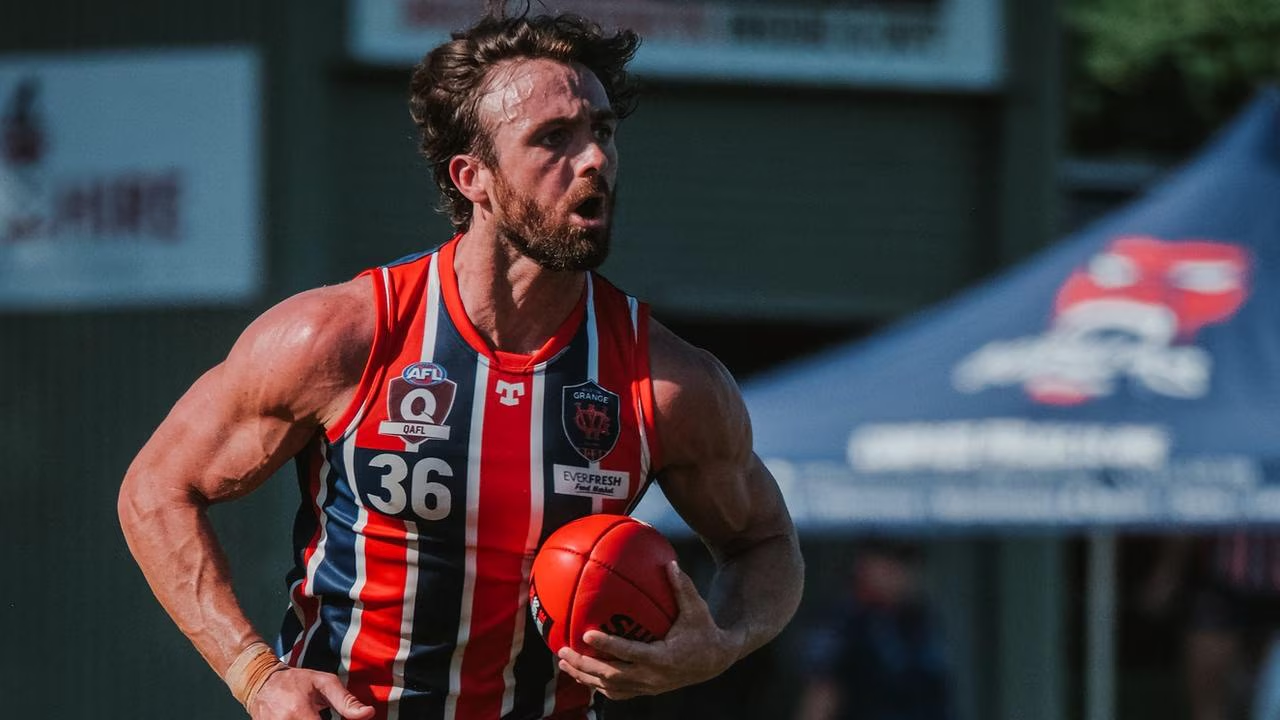
Rhys Mathieson’s positive test for the anabolic steroid oxymetholone occurred while he was playing in the QAFL, a league still covered by national anti-doping codes. Despite being an ex-AFL player, his participation placed him within SIA jurisdiction.
He received a three-year suspension, reduced from four due to cooperation and admission of non-football use. The sanction reaffirmed that athletes remain testable while competing under recognised competitions—even after stepping away from professional lists.
Ex-AFL player faces mega ban over performance-enhancing drugs
A former AFL player has been banned from playing football at any level after testing positive to performance-enhancing substances. Full context, reaction, and what it means for his future.
How lower leagues (QAFL etc) fit into the system

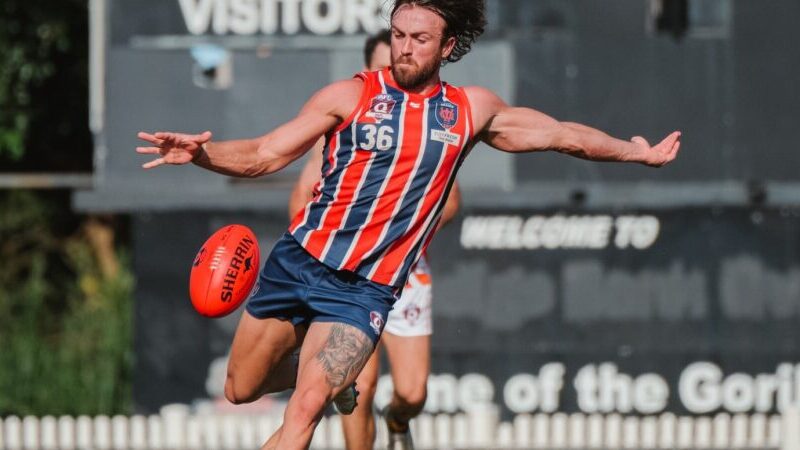
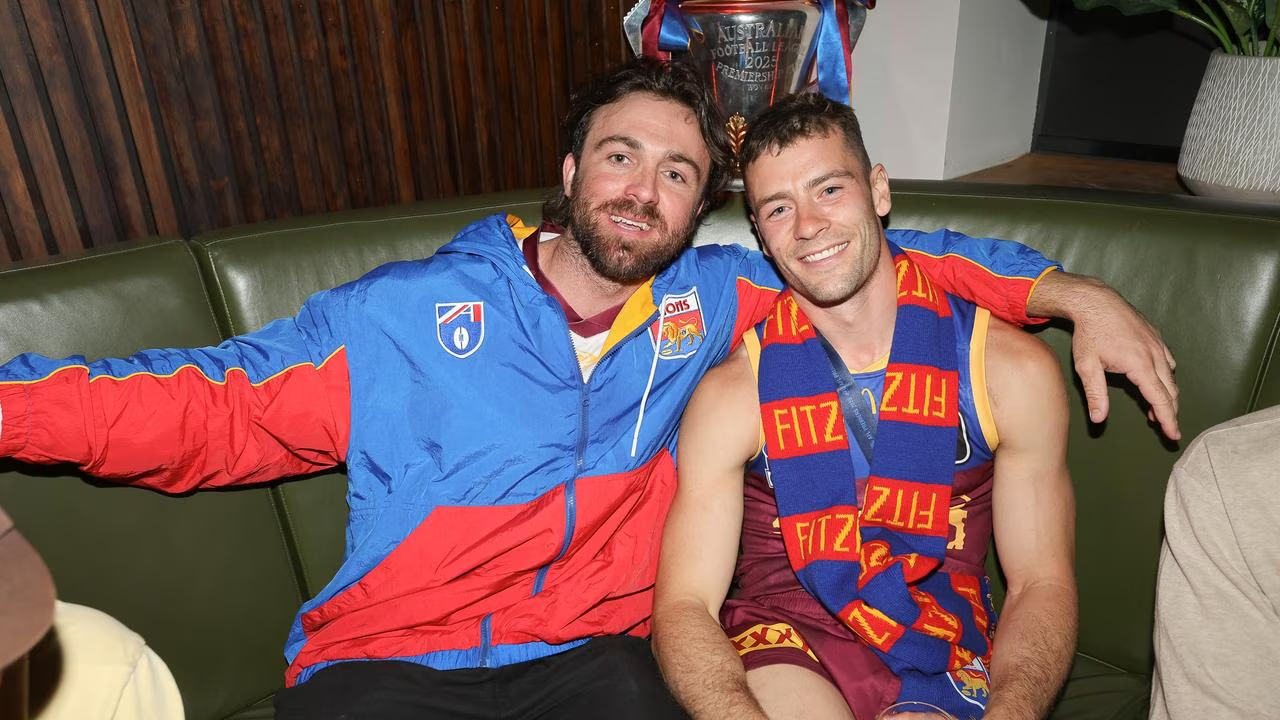
Lower competitions like the QAFL, SANFL, and WAFL operate under shared anti-doping regulations. Yet, testing frequency and education vary widely. Many local administrators lack the resources to implement consistent outreach or testing cycles.
As a result, compliance often depends on athlete self-awareness rather than structured programs. That gap can lead to misunderstanding—especially for players who believe retirement ends their obligations.
The role of social media and athlete branding in detection

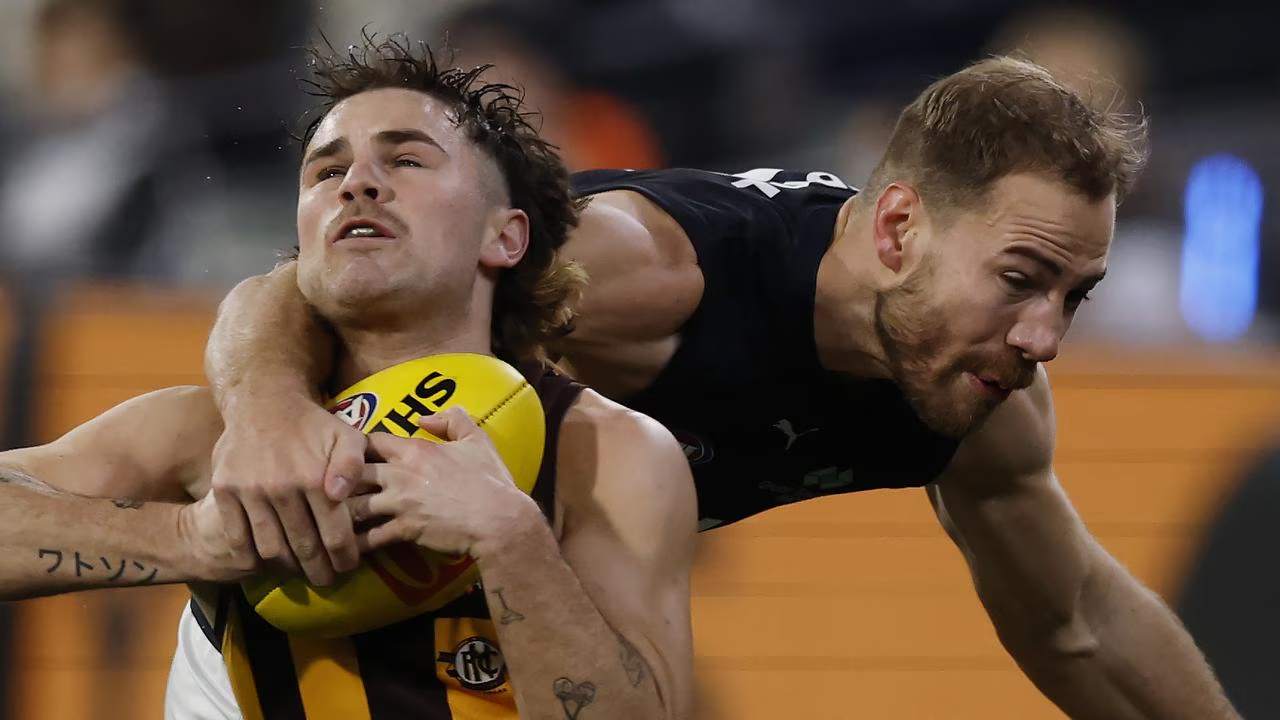
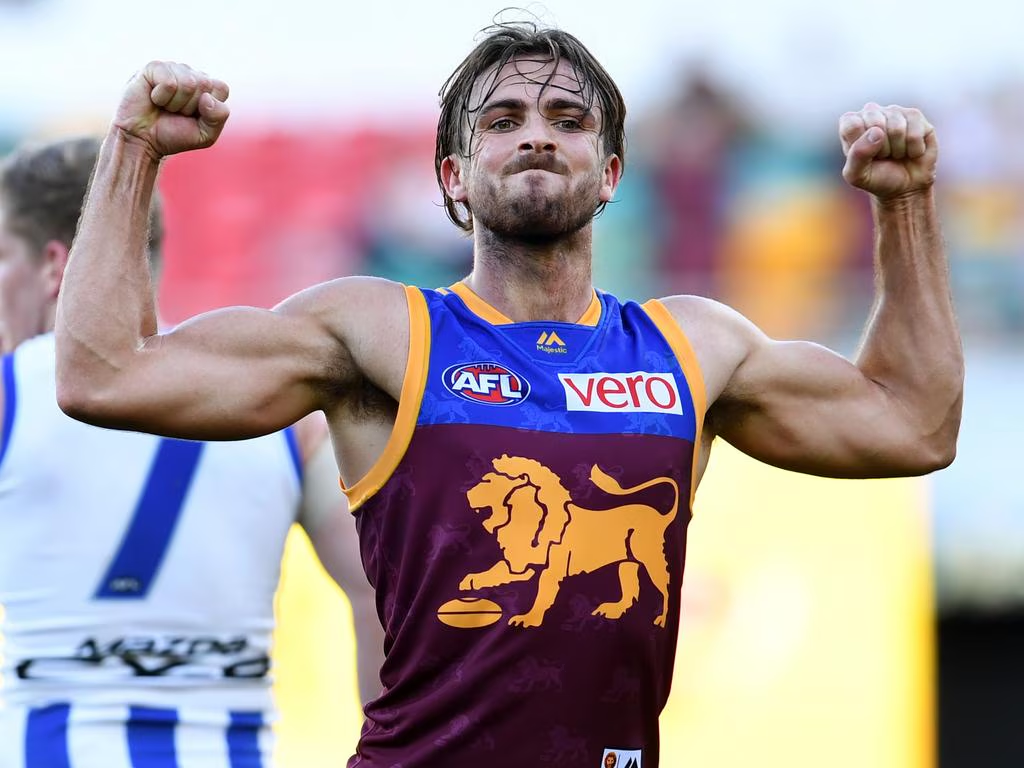
Modern detection doesn’t rely solely on random testing. Increasingly, social-media activity can raise attention when transformations appear unnatural. Photos, videos, and sponsorships related to supplements may trigger review or informal observation.
Because athletes now function as online brands, transparency becomes essential. While visibility offers financial gain, it also exposes behaviour patterns that can invite scrutiny. Therefore, education must extend to online representation as well as on-field conduct.
Recommendations for policy, monitoring and player education
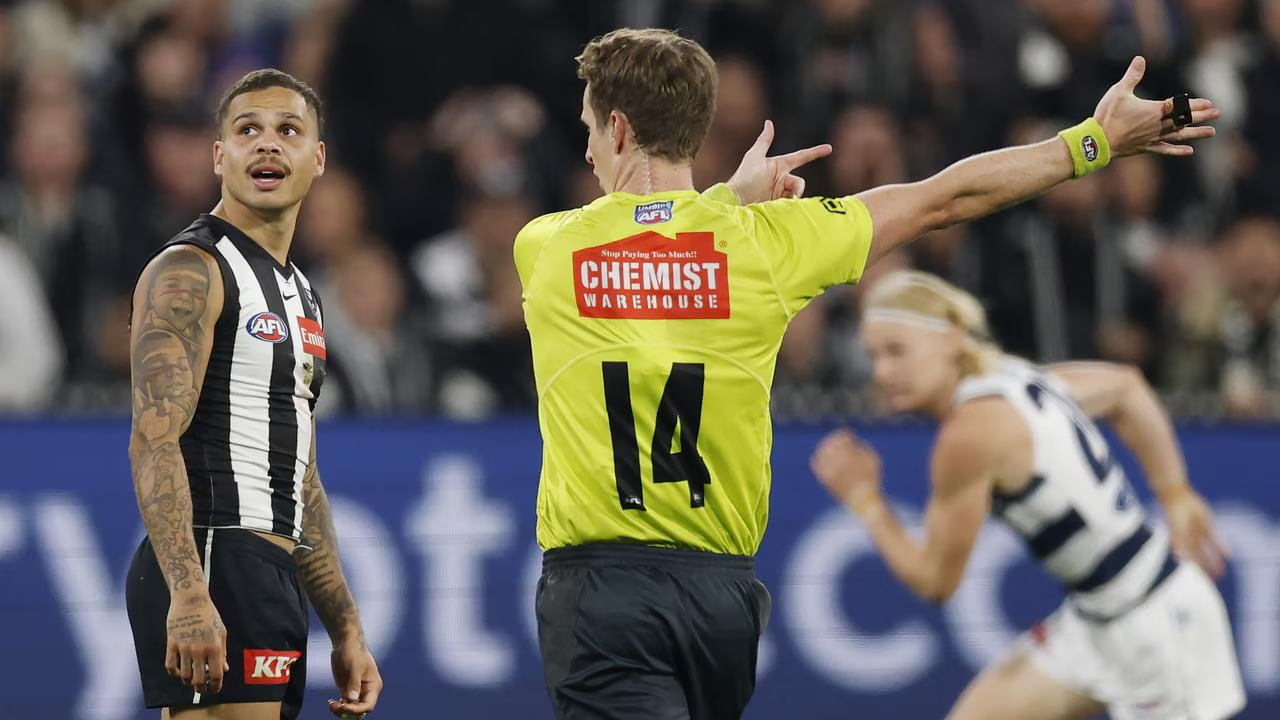
To strengthen deterrence and fairness, several steps are vital:
- Expand education — ensure exit programs brief retiring athletes on continued anti-doping obligations.
- Standardise lower-league testing — coordinate resources through SIA to maintain credibility across all competitions.
- Integrate digital-era monitoring — create guidelines on supplement promotion and body-transformation content.
- Enhance club responsibility — require clubs to maintain clear communication channels for former players still competing locally.
By broadening policy scope, the AFL can build a culture of long-term integrity rather than reactive enforcement.
Current Gaps in AFL Anti-Doping Coverage (AFL former player banned)
| Domain | Current Practice | Gap / Challenge |
|---|---|---|
| Elite AFL level | Regular testing, strict reporting | Lower leagues less visible or under-resourced |
| Post-career players | Partial obligations via competition links | Awareness often limited |
| Social media monitoring | Emerging integrity trend | Balancing resources and privacy concerns |
The Mathieson case proves that anti-doping enforcement cannot stop at the AFL’s top tier. True integrity requires an ecosystem approach that covers lower leagues, ex-players, and digital identities.
As sport and self-promotion blend more closely, policy must evolve to protect both fairness and trust. Only then can the AFL maintain credibility in an era where performance extends far beyond the field.
FAQ Section
About the Author


