

The Dota 2 SEA tournament lineup in 2025 reflects how much the region has grown into a central hub for the global competitive scene. For years, Southeast Asia has been known for its unpredictable matches, vocal fanbases, and teams that punch above their weight on the international stage. This year, SEA has an even bigger role to play. International organizers are expanding their reach into the region with LAN events, while grassroots competitions continue to develop the next wave of talent. With The International 2025 drawing closer, every tournament in SEA carries weight, both as a chance for teams to secure prestige and as a way to showcase the region’s unique playstyle to the world.
SummaryQuick Look
Tournament Organizers and Regional Ecosystem

Credit Image: Esports Insiders
The SEA competitive structure for 2025 is shaped by a mix of high-profile international circuits and national events that keep the calendar packed. Large-scale organizers such as PGL, BLAST, and ESL headline the season, with each bringing qualifiers and LAN tournaments to the region. DreamLeague maintains its SEA qualifiers, ensuring that at least one team from the region has a pathway into its prestigious global tournaments.
Just as important, however, are the regional circuits and grassroots competitions that keep SEA talent sharp year-round:
- CCT Series SEA editions offer consistent online tournaments with solid prize pools.
- National leagues in the Philippines, Indonesia, Malaysia, and Thailand provide semi-pros with structured opportunities.
- University circuits serve as breeding grounds for the next generation of professional players.
This multi-layered system ensures that established organizations can continue competing at the top while fresh rosters find ways to break into the scene. The result is a 2025 calendar that offers both international exposure and community-driven growth.
Tournament Dates and Event Highlights

The Dota 2 SEA schedule 2025 is distributed throughout the year, with each quarter offering a mix of online and offline events. Although exact match calendars are finalized closer to each event, fans already have a general timeline to follow:
- Early Year (Jan–Mar): CCT SEA tournaments and the first ESL One qualifiers kick things off.
- Mid Year (Apr–Jun): PGL SEA Tour and DreamLeague SEA qualifiers dominate the spotlight.
- Late Year (Jul–Sep): BLAST SEA Slam events and regional LANs become the focal point before TI qualifiers.
- Season Close (Oct–Dec): Post-TI competitions, national finals, and university championships bring the year to a close.
Notable Tier 1 Events
- PGL SEA Tour – A premier LAN tournament with international stakes.
- BLAST SEA Slam stop – Part of BLAST’s growing global circuit.
- DreamLeague SEA Qualifiers – Decides which regional teams gain entry into DreamLeague’s main stages.
Tier 2 and Grassroots Circuits
- CCT Series SEA – Frequent online events providing competitive consistency.
- Local national leagues – Country-based events building strong rivalries.
- University-level tournaments – A space for semi-pro and student players to showcase their talent.
This mix of events ensures that SEA teams remain competitive throughout the year, with constant opportunities to sharpen their skills against both regional and international opposition.
Formats, Prize Pools, and Streaming Coverage
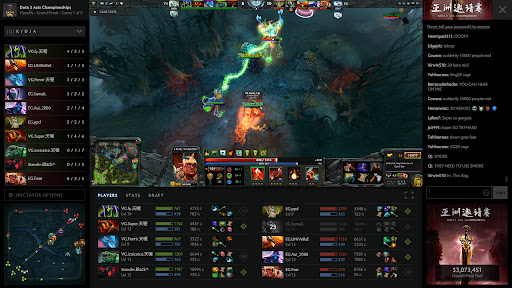
Tournament structures in 2025 remain familiar to fans but are designed to maximize competitive fairness and audience engagement. Typically, events follow this structure:
- Online qualifiers filter a large pool of hopefuls into the main event.
- Group stages often use round-robin or GSL systems to determine playoff seeds.
- Playoffs are structured as double-elimination brackets, giving teams room for comebacks.
Prize pools vary widely. Tier 1 SEA events often feature six-figure sums, while Tier 2 leagues and university circuits provide smaller but consistent rewards that sustain local ecosystems.
Broadcasting has also become increasingly diverse, ensuring fans across the region and beyond have access to live matches:
- Twitch and YouTube Gaming – The main hubs for global coverage.
- Facebook Gaming and regional broadcasters – Popular for SEA’s local fanbases.
- Language-specific streams in English, Bahasa Indonesia, Tagalog, Thai, and Vietnamese.
- DotaTV in-game viewing, which gives fans live stats and full camera control inside the client.
This layered broadcasting setup highlights how much SEA’s fan engagement has matured, as tournaments now cater not just to international audiences but also to local communities in their native languages.
Teams and Players Defining the 2025 Season

Southeast Asia’s strength lies in its combination of experienced organizations and unpredictable newcomers. In 2025, Fnatic, BOOM Esports, Talon Esports, and Blacklist International are once again at the forefront, bringing stability and high-level competition to the scene. Their rosters are expected to feature heavily across Tier 1 tournaments, both within the region and abroad.
However, the next wave of competitors is equally worth watching. University circuits and local leagues are producing ambitious new squads that have already begun to challenge established teams in qualifiers. Adding to the mix are veteran players rumored to return this year, bringing with them both experience and fan appeal.
This dynamic means no single team is guaranteed to dominate. Instead, the SEA scene will likely deliver a series of unpredictable upsets, dramatic playoff runs, and breakout performances that make the region so captivating to follow.
Why Southeast Asia Remains a Unique Dota 2 Region

What makes SEA stand out is more than just the tournament calendar—it’s the culture around the game. Teams in the region are known for their fast-paced and aggressive strategies, often opting for bold drafts that create chaotic but entertaining matches. This approach has earned SEA both a reputation for unpredictability and admiration from fans who love high-risk gameplay.
Equally important is the community. SEA audiences are recognized as some of the most passionate in esports, whether they’re filling stadiums or flooding Twitch chat with reactions. Beyond the major LANs, the region thrives on its grassroots involvement, with LAN café tournaments, national events, and student leagues forming the foundation of SEA’s vibrant ecosystem. This mix of cultural energy and competitive drive is why SEA continues to be seen as one of the most influential regions in global Dota 2.
Conclusion – Dota 2 SEA tournament
The Dota 2 SEA tournament 2025 calendar is shaping up to be one of the most exciting in recent years, blending international prestige with grassroots passion. With Tier 1 events like PGL and BLAST anchoring the season, alongside regional leagues and university competitions feeding new talent into the scene, Southeast Asia continues to cement its role as a powerhouse region. As the year unfolds and teams fight for spots leading into The International, the SEA competitive calendar will remain one of the most closely watched in all of esports.
Dota 2 SEA Tournament Calendar 2025
Q1:What formats are commonly used in SEA tournaments? ▼
Q2:Do SEA tournaments usually feature double-elimination playoffs? ▼
Q3:How are SEA tournament qualifiers structured? ▼
Q4:What are the typical prize pools for Tier 1 SEA events? ▼
Q5:Do smaller SEA leagues and university tournaments also have prize money? ▼
About the Author


