

When Nico Harrison was hired as general manager of the Dallas Mavericks in 2021, his appointment was seen as a bold experiment. A former Nike executive with strong player connections, Harrison represented a modern shift in front-office culture — one rooted in relationships, analytics, and brand awareness. Paired with coach Jason Kidd and superstar Luka Dončić, the Mavericks envisioned a sleek, player-centric future under the partial oversight of Patrick Dumont, with Mark Cuban stepping slightly back from daily control.
That optimism shaped Dallas’ next few seasons. Harrison’s tenure began with calculated ambition: stabilizing the franchise culture, empowering Dončić, and modernizing decision-making processes. But beneath the promise lay a story of risk and timing — one that would eventually implode with a single trade that changed everything.
Harrison’s Early Success: Credibility, Culture, and Chemistry
In his first two years, Harrison won over skeptics. He re-signed Luka Dončić to a long-term deal, secured solid depth, and helped guide the Mavericks to a surprise 2022 Western Conference Finals appearance. His people-first approach built credibility among players and agents alike.
Harrison’s early vision focused on three core values:
- Credibility: Transparent communication with players and agents.
- Culture: Building trust through player comfort and support systems.
- Chemistry: Complementing Dončić with stretch bigs and versatile wings.
However, not every move landed. The Jalen Brunson exit in 2022 — a result of delayed negotiations — exposed flaws in the Mavericks’ internal coordination. Still, Harrison used it as a lesson, vowing to never let internal hesitation cost the team again.
| Season | Record | Key Additions | Key Departures | Playoff Outcome |
|---|---|---|---|---|
| 2021–22 | 52–30 | Dinwiddie, Bertāns | Porziņģis | Western Finals |
| 2022–23 | 38–44 | Irving (midseason) | Finney-Smith | Missed Playoffs |
| 2023–24 | 56–26 | Veteran depth signings | N/A | NBA Finals (Lost 4–1 to BOS) |
By mid-2024, Harrison had restored Dallas’ relevance — until one decision undid years of progress.
The Luka Dončić Trade: Ambition Meets Implosion
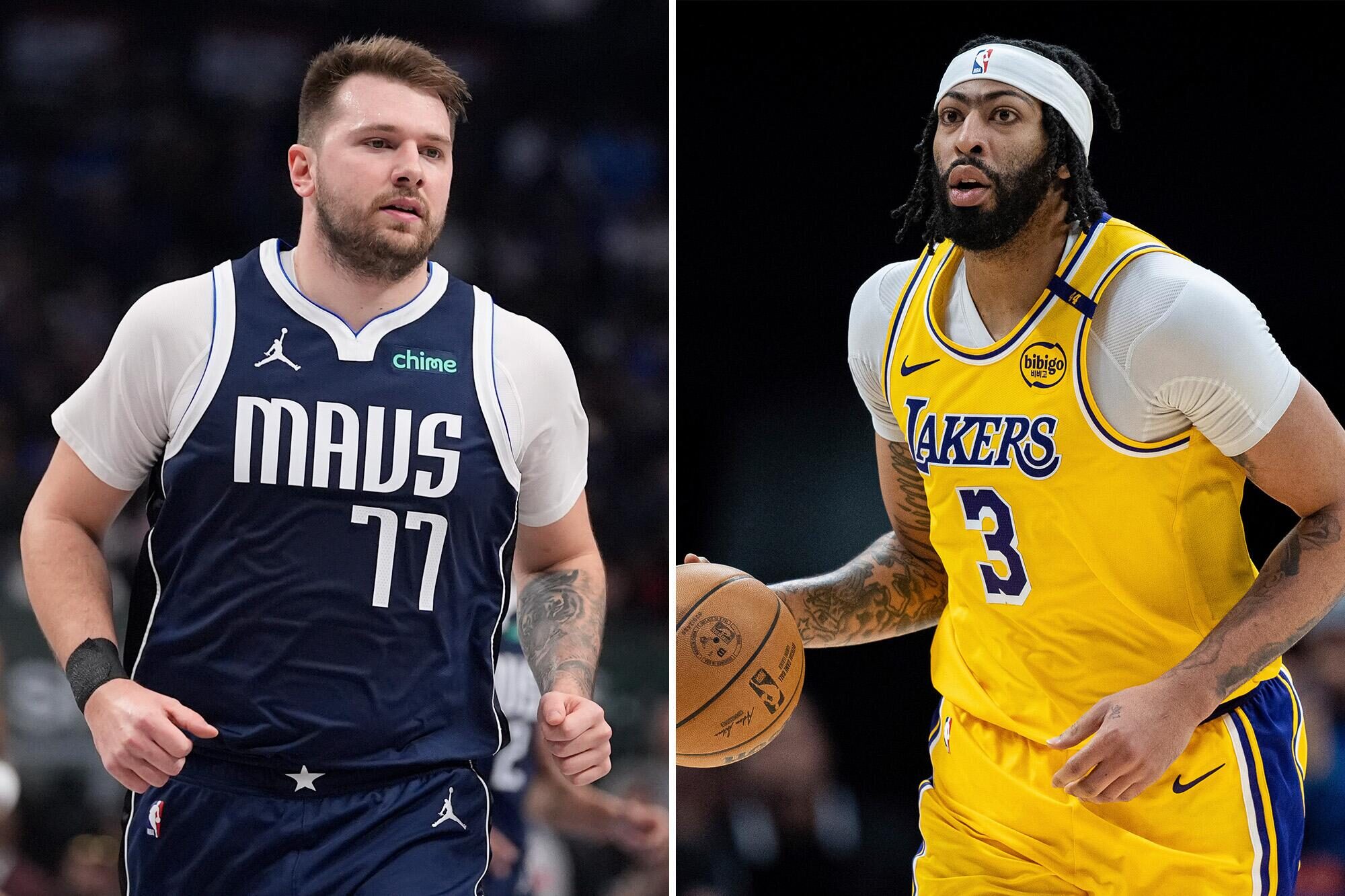
In February 2025, Harrison made the unthinkable move — trading Luka Dončić to the Los Angeles Lakers. His reasoning? Concerns about Dončić’s conditioning, ongoing tension with Kidd, and the desire for long-term roster flexibility under salary-cap pressure.
The Mavericks received multiple first-round picks, young assets, and cap relief. Internally, the front office called it a “strategic reset.” Publicly, fans saw it as betrayal.
The reaction was immediate and unforgiving:
- Players were reportedly blindsided by the decision.
- Media outlets like ESPN called it “the most polarizing move since Kawhi’s Toronto gamble — but with none of the upside.”
- Dumont’s approval of the trade raised questions about who truly held decision-making power.
The result was devastating. As Dončić and LeBron James led the Lakers on a title-contending run, Dallas spiraled. Harrison’s calculated gamble became a cautionary tale of overestimating control and underestimating fan loyalty.
Cracks in the Front Office: Ownership, Pressure, and Power Struggles
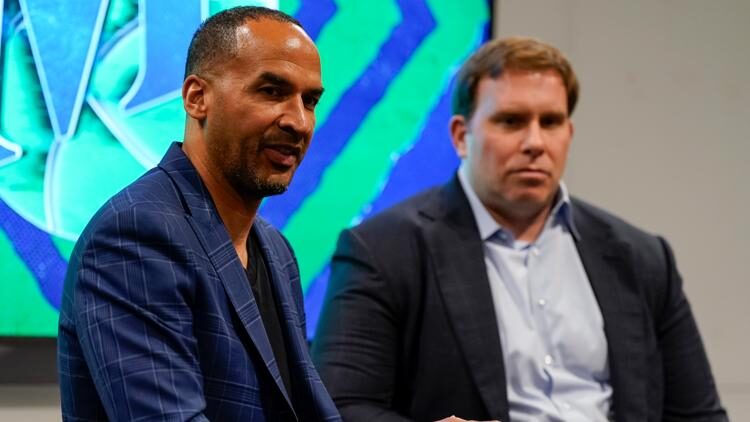
Following the Dončić deal, cracks in the Mavericks’ leadership quickly surfaced. The once-aligned Dumont–Harrison partnership fractured under media pressure. According to Forbes and Yahoo Sports, internal divisions emerged over the team’s direction — analytics versus instinct, patience versus panic.
Coach Jason Kidd subtly distanced himself from the front office, telling reporters, “The roster is what it is.” Inside sources described communication breakdowns and blame-shifting, while ownership wrestled with PR fallout.
Key signs of dysfunction emerged:
- Mixed messaging from executives on the team’s rebuild timeline.
- Failed attempts to lure another star to replace Dončić.
- Leaked frustration over analytics-heavy decision-making.
Even franchise legend Dirk Nowitzki, now an advisor, reportedly stepped in to stabilize morale — underscoring how far the organization had drifted from its unified roots.
Fan Rebellion and Media Firestorm: When the Walls Closed In – Nico Harrison
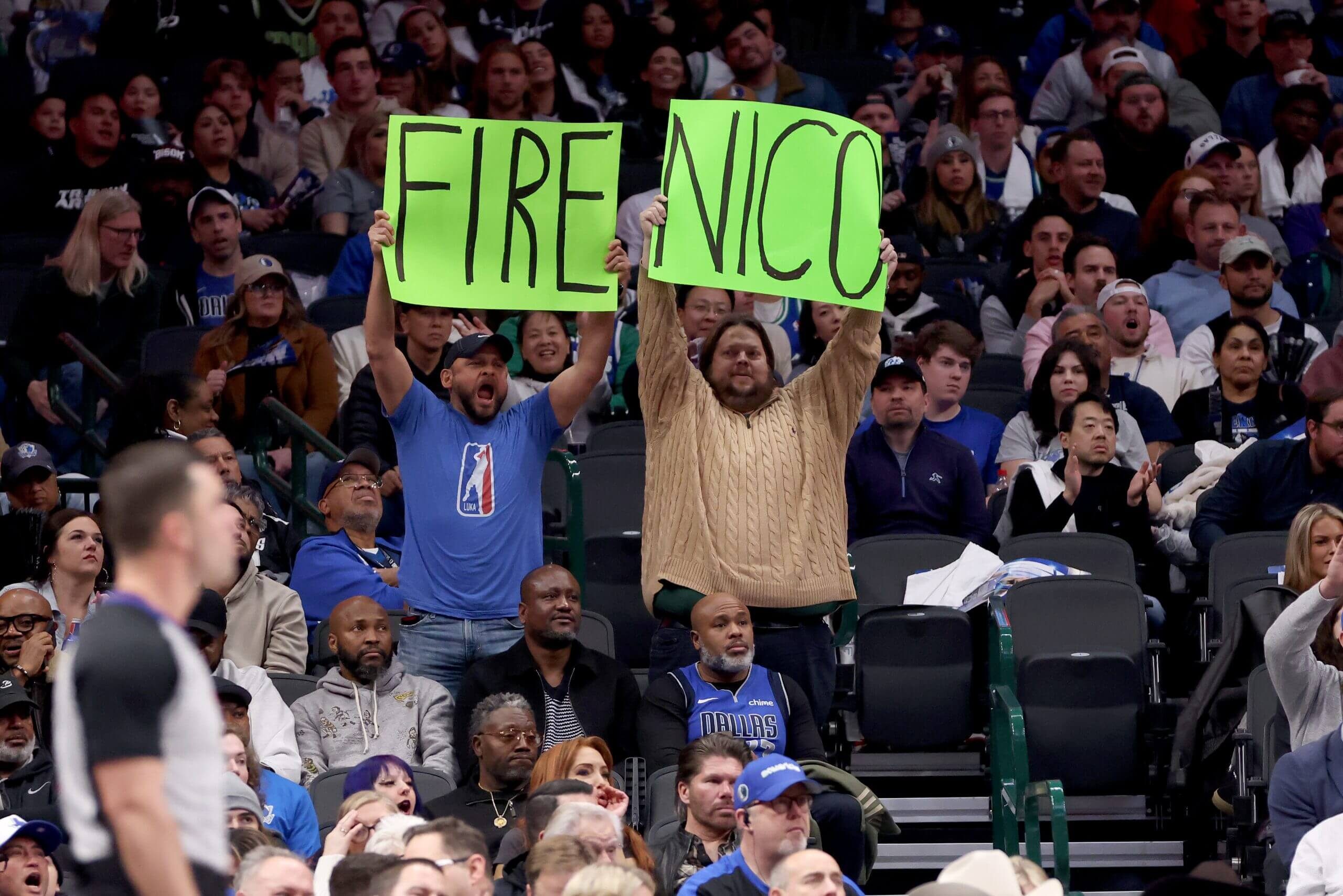
By the time Dallas opened the 2025–26 season with a 3–8 record, public sentiment had turned sharply. “Fire Nico” chants echoed inside American Airlines Center, while online backlash exploded.
Media reactions painted a clear picture:
- Tim Cowlishaw labeled the internal leaks “weirdly self-inflicted.”
- Bill Simmons joked, “You trade Luka, you trade your job next.”
- Chandler Parsons posted, “Writing was on the wall for months.”
The 2024 Finals run that once defined Harrison’s credibility was forgotten. Social media amplified outrage, portraying the Dončić trade not as a rebuild — but as the destruction of an identity. In the new NBA media era, perception moves faster than results.
And for Harrison, perception had become reality.
Aftermath and Reflection: Lessons from a Cautionary Tale – Nico Harrison
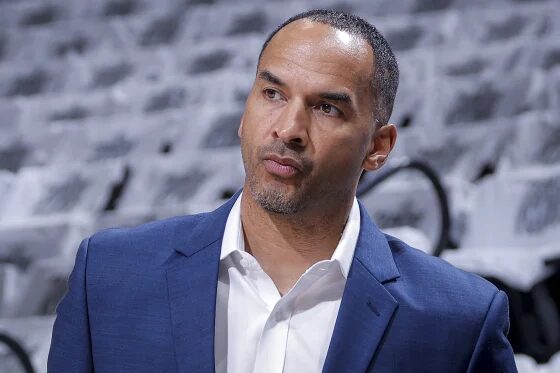
On November 2025, Nico Harrison was officially dismissed as Mavericks GM, ending a tenure that began with promise and ended in disarray. Reports indicated that Patrick Dumont had already begun exploring replacements, with veteran executive Rick Welts floated as a possible successor.
The lessons from Harrison’s downfall extend beyond Dallas:
- Never undervalue generational stability — trading a superstar is rarely reversible.
- Transparency matters — fan trust can make or break a front office.
- Analytics can’t replace instincts — numbers don’t account for locker-room soul.
- Brand management ≠ team building — off-court polish can’t offset on-court chaos.
Comparisons emerged with other GM collapses, from Billy King’s Nets trades to Vlade Divac’s Kings missteps. Harrison’s tenure joins that lineage — not defined by incompetence, but by overconfidence.
Conclusion — The End of an Era, the Start of Accountability
The story of Nico Harrison and the Dallas Mavericks is one of rise, risk, and reckoning. From Nike’s executive suites to NBA boardrooms, he sought to redefine what a modern general manager could be. For a time, it worked.
But in the modern NBA, one decision can erase years of progress — and for Harrison, that decision was trading Luka Dončić.
As the Mavericks now rebuild post-Luka, their challenge isn’t just roster-based — it’s cultural. They must restore trust, reshape leadership, and reclaim an identity that once made Dallas a beacon of basketball stability.
In the end, Nico Harrison’s fall is less about failure and more about the fragile line between vision and hubris — and how quickly that line can vanish when you trade away your franchise soul.
About the Author


