

When Riot Games finally revealed the full 2026 tournament schedule, the global esports community erupted wThe landscape of professional League of Legends is approaching a pivotal junction. As we look toward the upcoming season, the 2026 LoL esports roadmap reveals a strategic pivot by Riot Games to address long-standing concerns regarding competitive burnout and regional isolation. Unlike previous years that relied heavily on a stagnant two-split system, 2026 introduces a more fluid, international-first approach.
This evolution in Riot Games tournament strategy aims to bridge the gap between the dominant Eastern leagues and the rest of the world. By increasing the frequency of cross-border play, the esports competitive meta is expected to evolve faster than ever, as teams can no longer afford to develop strategies in a regional vacuum. The focus has shifted from “defending the home turf” to a continuous global event cycle.
The 2026 Comparison Matrix: Structural Evolution
To understand the gravity of these changes, we must look at how the 2026 season deviates from the traditional frameworks of the past decade. The following matrix highlights the transition from localized dominance to a unified global circuit.
Strategic Implications of the 2026 LoL Esports Roadmap

The core of the 2026 LoL esports roadmap is the introduction of a third international tournament, positioned early in the calendar year. This move is designed to disrupt the “winter lull” and force an early League pro scene news cycle. For analysts, this means the pro LoL analysis must now account for a meta that is “reset” three times a year rather than two.
One of the most significant changes involves the Australian LCO teams international tournament preparation. Under the new roadmap, Oceania is further integrated into the broader APAC ecosystem. This ensures that the LCO pro circuit remains relevant by providing teams with consistent access to higher-tier scrim partners in Korea and China. However, this also presents a logistical challenge, as esports travel patterns and pro player performance metrics suggest that increased frequency of travel can lead to diminishing returns if not managed with precise esports scheduling analysis.
The “X-Factor” Analysis: Regional Power Dynamics
The success of this roadmap depends on how regions adapt to the “constant-competition” model.
- MSI 2026 European Host Advantage: With the Mid-Season Invitational slated for a European return, the MSI 2026 breakdown suggests a massive structural benefit for LEC teams. Removing the burden of long-haul travel allows for more intensive pro scrim patterns shaped by 2026 global event locations, potentially closing the mechanical gap with LCK representatives.
- Korean Infrastructure Dominance: Conversely, Korean Worlds infrastructure impact on meta development remains the gold standard. Even with increased travel, the density of top-tier talent in Seoul allows for a “pressure cooker” environment that often dictates the competitive League of Legends standard.
- The Grassroots Surge: In the southern hemisphere, Oceania pro watch parties and grassroots competitive culture are expected to see a resurgence. As the pathway to the global stage becomes clearer via the new APAC integration, the local scene is transitioning from a hobbyist perception to a legitimate pro esports media powerhouse.
Strategic Point Forms: Tactical Maneuvers for 2026
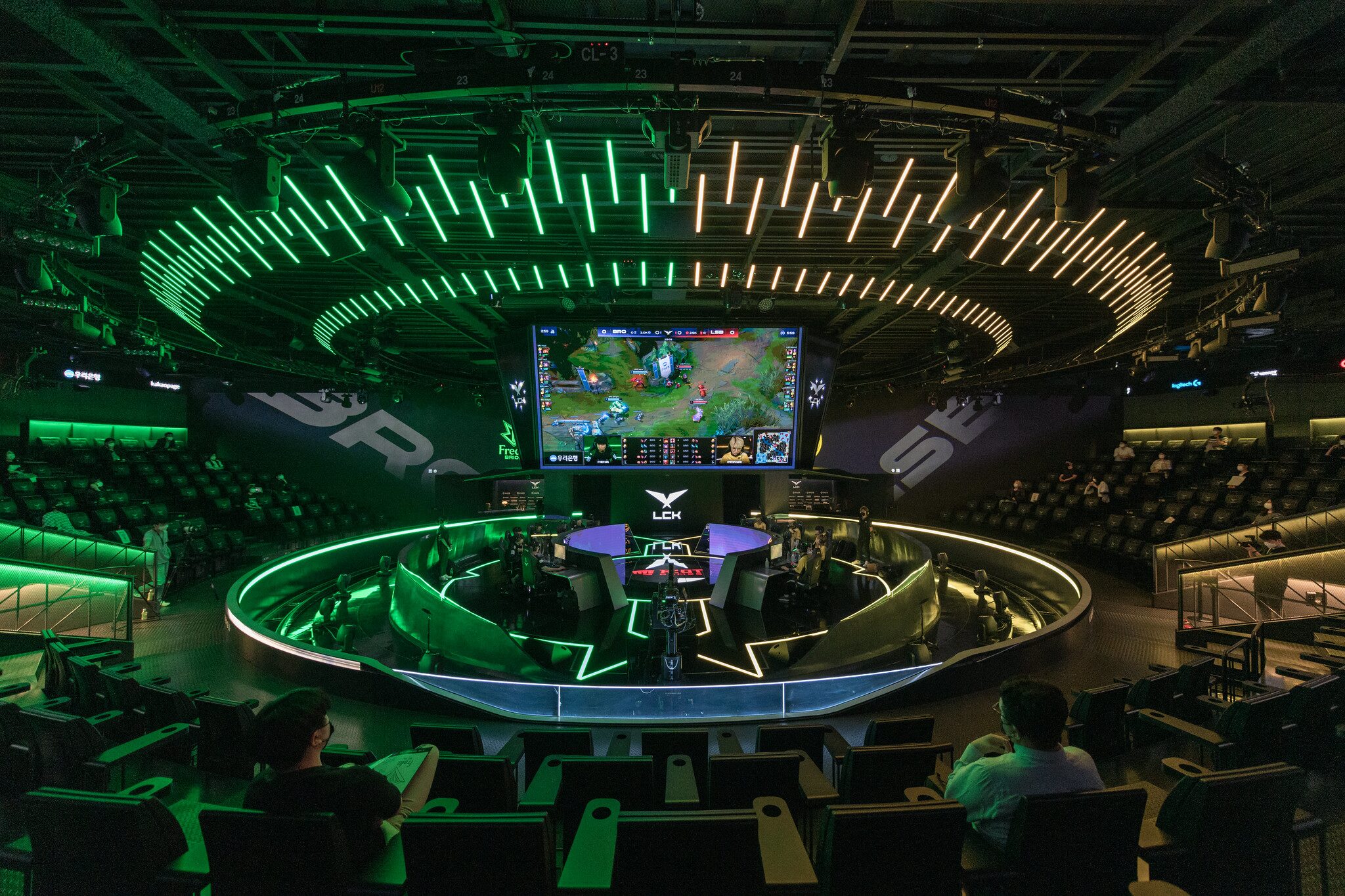
The Riot Games 2026 tournament structure competitive analysis highlights several tactical shifts that teams must master:
- Draft Flexibility & Patch Adaptation
- With more international events, teams can no longer “hide” secret picks for months.
- The League of Legends pro scene meta implications 2026 suggest a “rolling meta” where champions nerfed in one region must be instantly replaced by global alternatives.
- Roster Depth and Substitution
- Riot’s long term esports scheduling strategy analysis indicates a need for six or seven-man rosters to combat fatigue.
- Substitutions will likely become tactical tools (e.g., swapping a jungler for a specific Best-of-5 series) rather than just emergency backups.
- Data-Driven Travel Management
- Teams are now hiring specialized staff to monitor pro player performance metrics related to jet lag and stage anxiety, recognizing that physical wellness is as vital as in-game macro.
Looking Ahead: Worlds 2026 Predictions

As we project toward the end of the 2026 cycle, all eyes are on the season finale. Worlds 2026 predictions are already leaning toward a high-variance tournament. Because the 2026 LoL esports roadmap emphasizes more frequent international clashes, the “mystery” of how regions match up will be replaced by a documented history of clashes throughout the year.
The Worlds 2026 location affects competitive pacing significantly; if the tournament returns to a high-ping environment or a distant time zone, the teams that have mastered the “travel-train-triumph” cycle during the earlier MSI and Winter events will have a distinct advantage. This is no longer just a game of clicks and keys; it is a game of logistics and endurance.
Conclusion
The 2026 LoL esports roadmap represents more than just a schedule change; it is a fundamental redesign of how professional gaming is consumed and contested. By prioritizing international stakes and regional integration, Riot Games is attempting to ensure that League of Legends remains the premier title in the competitive League of Legends space. Whether the players can keep up with the grueling pace remains to be seen, but for the fans, the era of constant, high-stakes global play has finally arrived.
About the Author


