

For the first time since 1998, Norway will return to football’s biggest stage, and the decisive moment came through the player who now defines their modern era. The story of Haaland World Cup qualification is not just about two late goals in Milan; it is about a generation shedding years of frustration and near misses. Their 4–1 comeback victory over Italy did more than secure top spot in Group I—it symbolised a cultural reset for Norwegian football, while Italy were pushed into yet another playoff.
The win completed a perfect qualifying campaign built on consistency, depth, and a tactical identity that finally clicked after years of stalling in tournaments such as Euro 2020 and the 2022 World Cup qualifiers.
Norway’s Road to the World Cup – From Nearly Men to Group I’s Breakaway Leaders

Norway’s path to the 2026 World Cup was shaped by a remarkable balance of structure and star power. The numbers underline the scale: 24 points from eight matches, 37 goals scored, and only five conceded. These figures alone separate this team from previous versions often described as promising but incomplete.
Across the campaign, key victories over Estonia and the high-stakes meeting with Italy formed the backbone of an efficient run. The playing style under the current coaching setup emphasised:
- Pressing intensity
- Vertical transitions
- Wide contributions from players such as Antonio Nusa, Alexander Sørloth, and Oscar Bobb
This generation arrived with clearer roles and more cohesion. Earlier cycles faltered due to inconsistency, but this group handled pressure with maturity—another reason Norway managed to turn strong individual talent into a sustained, collective push toward World Cup 2026 qualification.
The Italy Showdown – Early Tension Before Norway Took Control
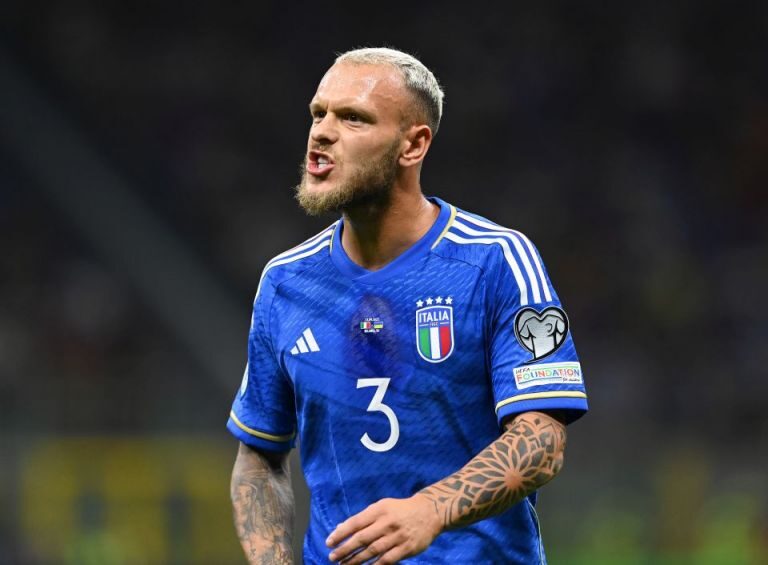
Italy opened the Milan match with urgency. The hosts dominated the early phases, using Federico Dimarco’s delivery and Tommaso Esposito’s movement to break the deadlock in the 11th minute. At that moment, the dynamic shifted: Italy needed a nine-goal swing to leapfrog Norway, but the early strike kept the San Siro crowd hopeful.
Norway struggled to find rhythm before halftime. Their build-up faltered, and chances were scarce as Italy pinned them deep. The match looked set to continue along that pattern until the interval allowed Norway to regroup and adjust their pressing height, midfield structure, and wide rotations.
These changes would soon alter the entire tone of the night, laying the groundwork for their second-half turnaround and one of the campaign’s defining comebacks.
The Second-Half Shift : Nusa’s Equaliser and Norway’s Growing Control – Haaland World Cup qualification

Norway emerged from the break with better balance. The press was coordinated higher up the pitch, and midfield rotations helped them bypass Italy’s first line. With that, space opened for Nusa, whose equaliser restored belief and placed pressure squarely back on Italy.
His strike—clean, instinctive, and well-timed—ignited the momentum Norway had been missing. Sørloth’s presence in wide areas, Bobb’s composure between the lines, and Morten Thorsby’s midfield work all contributed to a more assertive pattern of play.
In goal, Ørjan Nyland provided the sort of composure Italy lacked from Gianluigi Donnarumma in decisive moments. As Italy began to tire, Norway sensed vulnerability. What followed turned the match into one of the standout moments of the entire World Cup qualifiers.
Haaland’s Decisive Turn : Two Goals in Two Minutes That Changed Everything – Haaland World Cup qualification
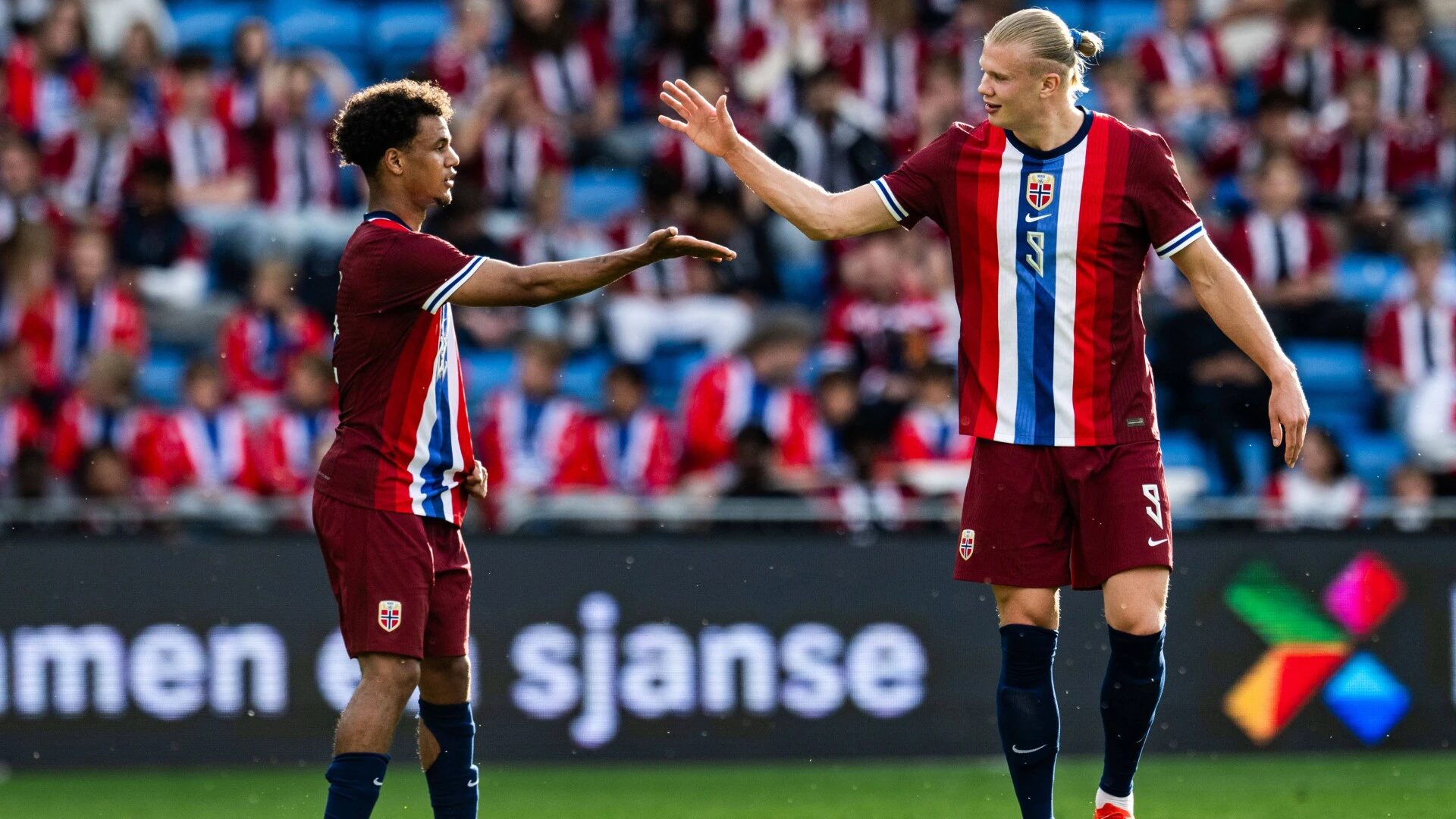
The defining sequence began in the 78th minute. Haaland, who had been relatively quiet, found his moment through the chemistry he has built with Oscar Bobb at Manchester City. One precise pass, one burst of acceleration, and Norway had the lead.
Barely a minute later, the same pairing carved open Italy again. Haaland drifted into space, punished a static back line, and sealed what quickly became the pivotal brace of these qualifiers. This two-goal burst not only dismantled Italy’s hopes but cemented Haaland’s campaign as one of the most prolific in European qualifying history.
Strand Larsen’s stoppage-time strike added emphasis to the scoreline and underlined Norway’s superiority during the final stages. The 4–1 win confirmed Norway as group winners, sent Italy into the playoffs, and ensured that Haaland World Cup qualification would become a milestone moment for the national team’s modern era.
Conclusion : A New Era for Norway and a Superstar Leading the Way – Haaland World Cup qualification
Norway’s return to the World Cup carries significance beyond the scoreline in Milan. After decades of near misses and unfulfilled potential, this team arrives with renewed purpose, clear structure, and a striker redefining international scoring standards. Haaland’s 16 goals across qualifying place him alongside Europe’s elite, while his decisive performance against Italy marks the moment Norway’s resurgence became undeniable.
For fans, the end of a 28-year absence is about pride as much as progress. With a balanced squad, growing depth, and a star capable of altering any match, Norway enters World Cup 2026 not merely as participants but as a team ready to challenge the established order. And at the centre of that story is the continuing rise of Haaland World Cup qualification—a symbol of how far Norwegian football has come, and how far it intends to go.
FAQs
About the Author


