

The Socceroos vs Colombia friendly in Bogotá was meant to be a useful test in their World Cup preparation, but it ended as a night to forget. Colombia dominated from start to finish, controlling the tempo, dictating possession, and pinning Australia deep for long periods. Beyond the 3–0 scoreline, the match also stirred controversy after an early penalty that head coach Tony Popovic described as “soft” and “frustrating,” adding an extra layer to a loss already shaped by poor transitions, slow build-up, and disjointed pressing.
Popovic didn’t shy away from calling out the moment that shifted the match’s momentum, yet even he acknowledged that Australia’s issues stretched far beyond a single decision. With only two shots recorded and just one on target, the Socceroos struggled to threaten a Colombian side that looked several steps ahead in rhythm, confidence, and technical quality.
The Soft Penalty That Changed Everything — And Popovic’s Immediate Reaction

The night’s biggest flashpoint came early. A light coming–together inside the box was quickly ruled as a penalty, sparking immediate disbelief among the Australian players. Colombian captain James Rodríguez stepped up and converted, giving the hosts a 1–0 lead and full control of the early phases.
Popovic’s frustration stemmed from three key factors: the minimal nature of the contact, the quick decision from the referee, and the lack of VAR intervention to review such an impactful call. For a coach who prioritises defensive discipline and clarity in officiating, the decision felt like an unnecessary early setback.
It wasn’t just the goal itself but the timing. Australia were still trying to settle into their shape, and conceding early rattled their composure. Colombia sensed that shift and pressed with greater confidence, pinning the Socceroos back and rarely letting them establish rhythm for the remainder of the match.
Colombia Take Control — Tactical, Physical, and Technical Superiority
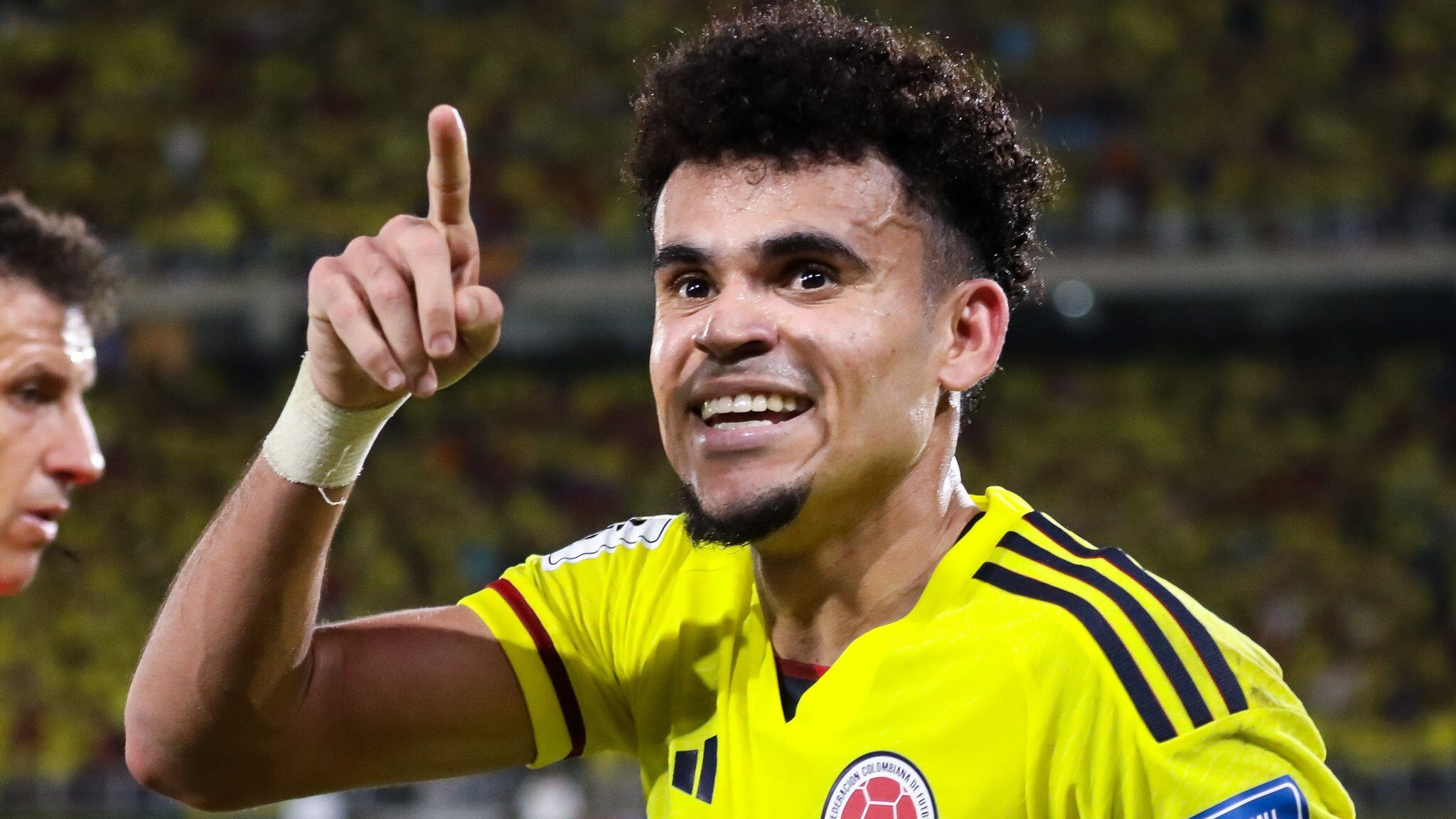
The scoreline reflected Colombia’s dominance. Their high press disrupted Australia’s attempts to build through midfield, particularly affecting the flow through Jackson Irvine and Keanu Baccus. Luis Díaz remained a constant threat, stretching the defensive line and winning duels that pushed Australia deeper.
Match stats underline the gap between the two sides:
• Possession: 65%–35%
• Total shots: Colombia 16, Australia 2
• Shots on target: Colombia 8, Australia 1
• Passes: 705 for Colombia at 91% accuracy
• Australia struggled with transitions and link-up play
Colombia also applied superior physical pressure, winning second balls and controlling midfield spacing. Australia rarely advanced with purpose, and when they did, runners ahead of the ball lacked the timing needed to break defensive lines. Even on the counter-attack, their movements felt predictable against Colombia’s aggressive tracking and anticipation.
Issues Exposed : What the Performance Revealed About Australia – Socceroos vs Colombia

While the penalty is part of the narrative, it cannot mask broader structural issues. Popovic has work to do in restoring a sense of cohesion, particularly in key areas where Australia faltered throughout the match.
Recurring problems included:
• Midfield overrun by Colombian rotations
• Limited creativity in attacking phases
• Difficulty playing out under pressure
• Defensive gaps in transitional moments
• Few meaningful connections between fullbacks and wingers
These weaknesses played out across the pitch. Colombia bypassed Australia’s midfield with ease, while the Socceroos rarely strung together extended spells of possession. Their attempts to push forward often broke down moments after they crossed the halfway line, leaving the attackers isolated and frustrated.
The concern is whether this performance is an isolated setback or reflective of something deeper in Australia’s current development cycle. With World Cup preparation ongoing, the timing raises questions that Popovic will need to address promptly.
Key Moments and Match Stats : How the Game Unfolded – Socceroos vs Colombia
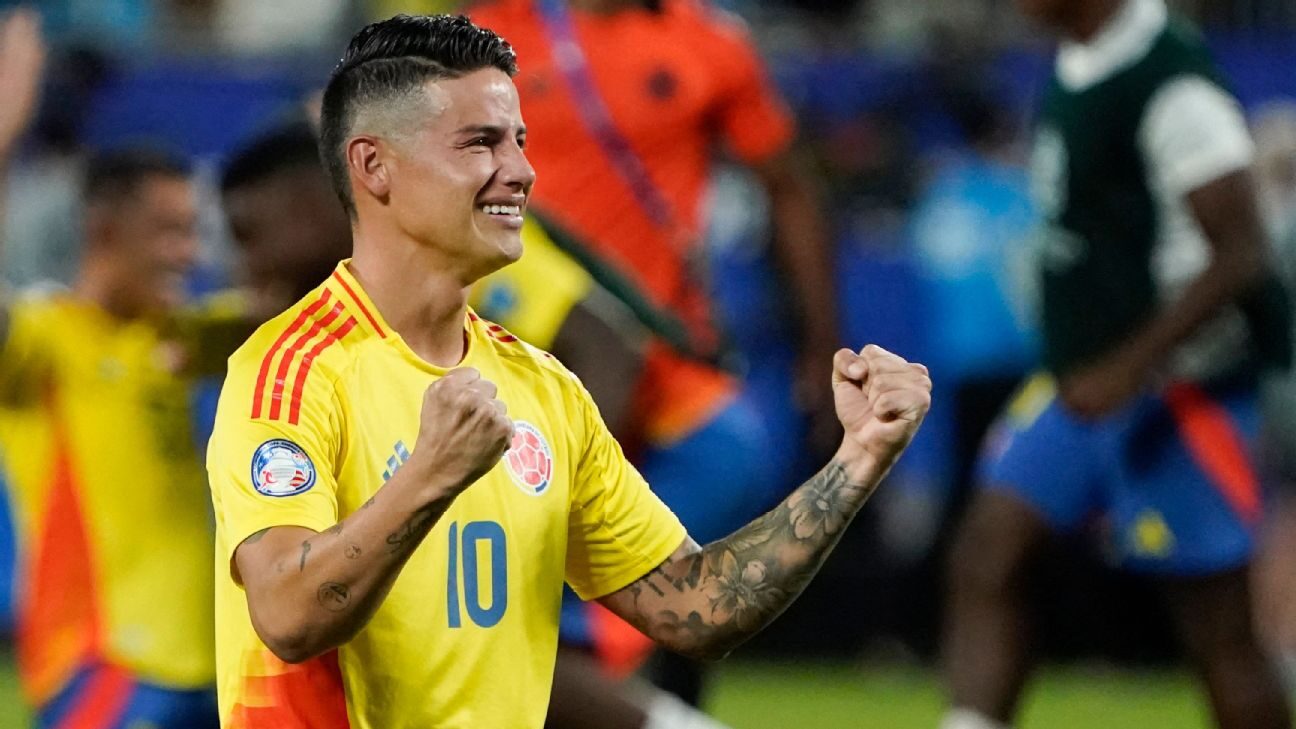
Several decisive moments shaped the night and reaffirmed Colombia’s control.
• Early penalty converted by James Rodríguez
• A second goal built from aggressive pressing and quick transition
• Luis Díaz adding a composed third after another midfield breakdown
• Australia finishing with just one shot on target
• Fewer passes, fewer corners, and significantly less time in attacking zones
A snapshot comparison highlights the flow:
Match Snapshot
| Metric | Colombia | Australia |
|---|---|---|
| Goals | 3 | 0 |
| Shots | 16 | 2 |
| Shots on Target | 8 | 1 |
| Possession | 65% | 35% |
| Passes | 705 | 381 |
| Pass Accuracy | 91% | 83% |
| Fouls | 16 | 2 |
| Yellow Cards | 1 | 2 |
The statistical gulf supports what was visible throughout: Colombia dictated the match in every major phase, while Australia struggled to create any sustained threat.
Conclusion : A Controversial Turning Point but a Clear Structural Warning – Socceroos vs Colombia
The Socceroos vs Colombia match will be remembered for Tony Popovic’s frustration over the “soft” penalty, but the bigger story lies in Australia’s overall performance. Colombia’s 3–0 win reflected their tactical superiority and sharper execution across all areas.
For the Socceroos, the path forward involves addressing deeper issues in midfield structure, attacking identity, and defensive balance. The upcoming fixtures now carry added importance as Popovic looks to rebuild confidence and cohesion after a performance that exposed more than just one controversial moment.
FAQs
About the Author


