

The first Test of the Ashes series arrives with a different complexion for Australia, and the primary keyword Ashes debut Australia sits at the heart of this narrative. Perth’s fast, lively conditions usually favour settled line-ups, but this year the home side approaches the contest with a bold selection call: two debutants, Jake Weatherald and Brendan Doggett, will walk out together for the first time in the longest format. Their inclusion reflects a combination of form, necessity and structural change after injuries to Pat Cummins and Josh Hazlewood forced selectors to rethink the shape of the XI.
The decision marks the first time since 2019 that Australia will blood two new caps in the same Ashes Test. It frames a storyline of risk and opportunity in a high-stakes series where depth, adaptability and tactical certainty matter just as much as talent.
WEATHERALD’S OPPORTUNITY AT THE TOP — HOW AUSTRALIA BUILT A NEW OPENING COMBINATION
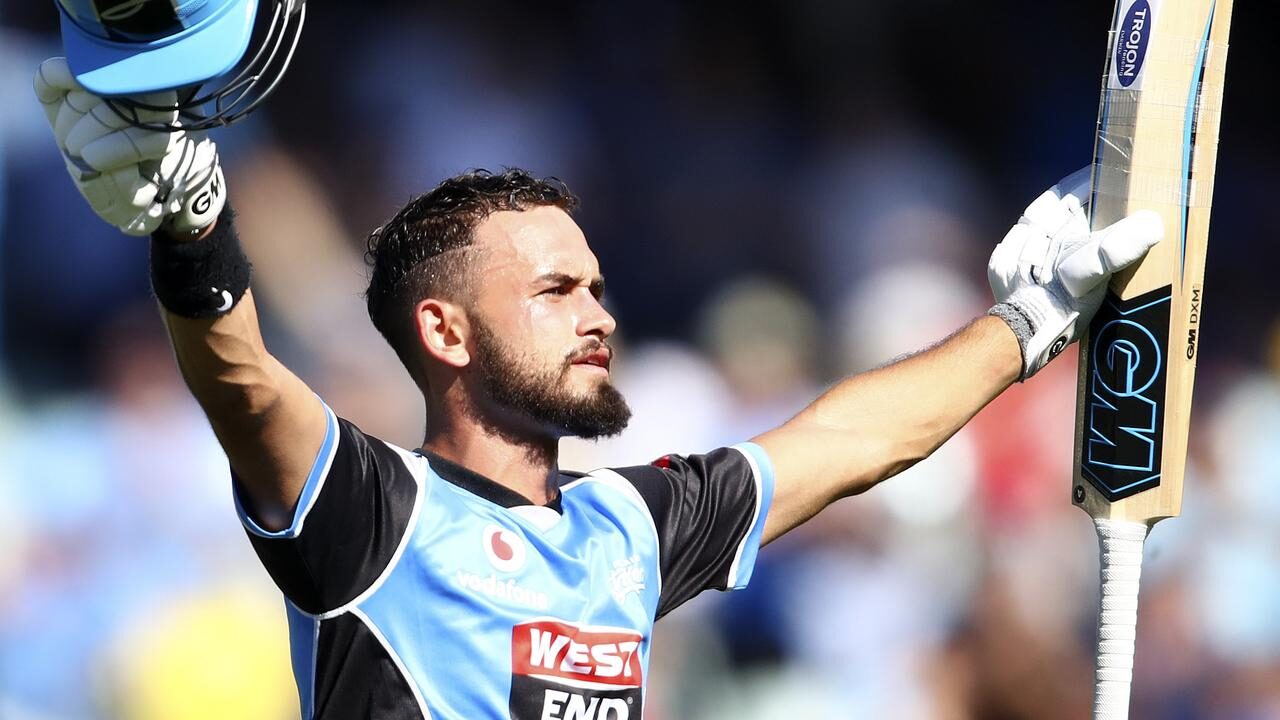
Jake Weatherald’s rise into the Test XI is the product of sustained Sheffield Shield dominance, entering the Ashes as the leading run-scorer and one of the season’s most consistent performers. Australia’s selectors ultimately preferred the South Australian over shifting Marnus Labuschagne back to opener, choosing instead to preserve structure and reward form.
He replaces Sam Konstas, who had shown promise but lacked the volume of runs Weatherald delivered over recent months. The partnership with Usman Khawaja creates an intriguing contrast: Khawaja, now on his sixth opening partner since David Warner’s retirement, brings a calm, absorbing style that pairs neatly with Weatherald’s controlled aggression.
In Perth, that balance matters. The pitch offers bounce, hard lengths and scoring windows square of the wicket — conditions that historically reward decisive footwork and bold strokeplay. Weatherald’s debut arrives with both challenge and opportunity, especially against an English attack expected to bring pace pressure from the outset.
DOGGETT’S HISTORIC ENTRY : A NEW DIMENSION IN AUSTRALIA’S PACE SETUP – Ashes debut Australia
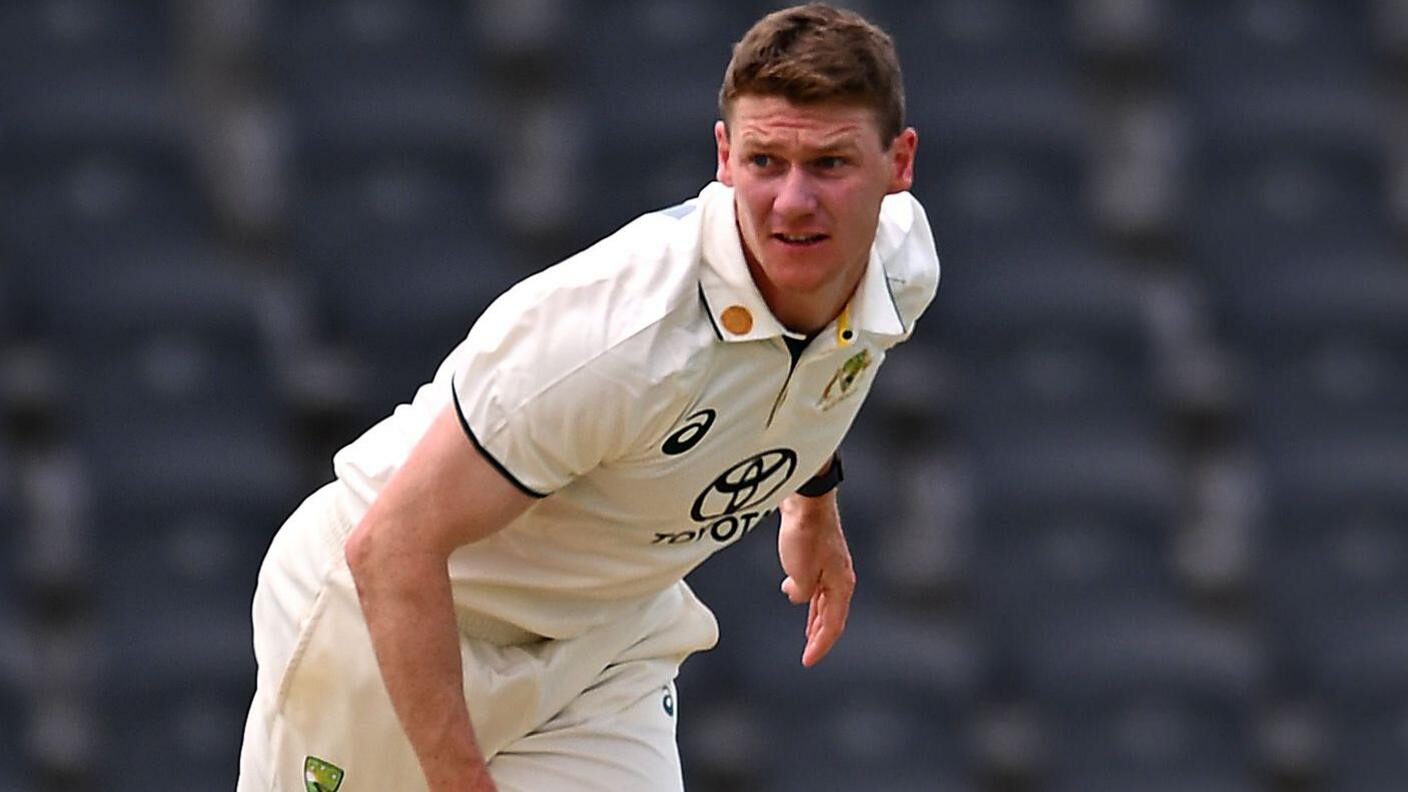
Brendan Doggett’s selection comes after Hazlewood’s hamstring strain created an opening, but his elevation is more than just hardship-driven. Doggett brings accuracy, skiddy bounce and a knack for subtle seam movement — traits that often translate well on the Perth surface. His role fits neatly between Mitchell Starc’s strike-first approach and Scott Boland’s methodical precision.
His debut also carries historical significance. Doggett becomes Australia’s third Indigenous men’s Test cricketer, and alongside Boland, helps form the first Australian XI to feature two Indigenous players in Test cricket. It’s a moment that stretches beyond selection strategy, reflecting both representation and long-term investment in diverse pathways into elite cricket.
Without Cummins’ reliability and Hazlewood’s metronomic consistency, Doggett’s contribution holds added weight. His ability to maintain discipline while exploiting natural variation could shape the rhythm of Australia’s attack across the opening days.
SELECTION SHIFTS AND LINE-UP BALANCE — GREEN RETURNS, LABUSCHAGNE RESETS THE ORDER
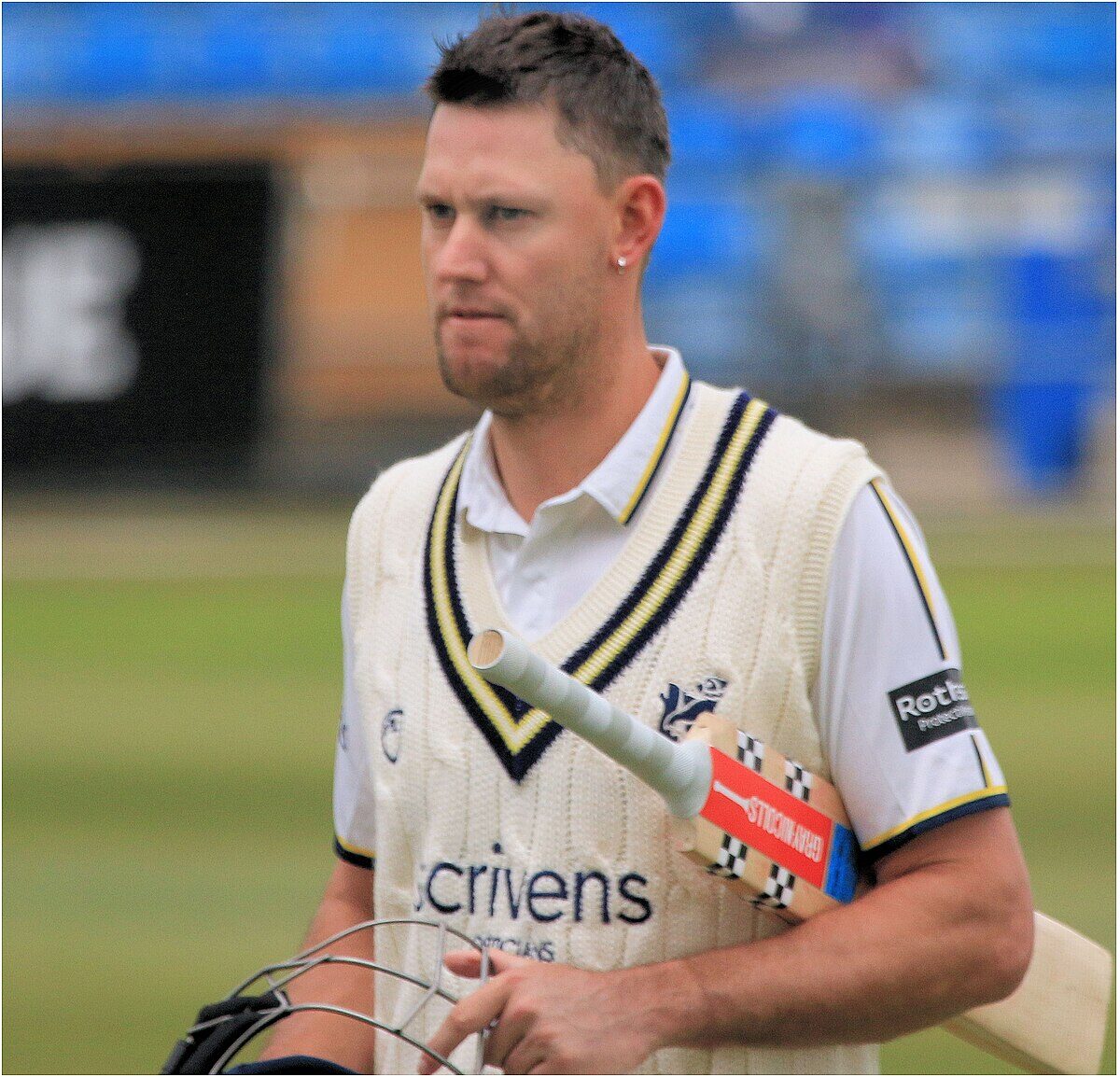
Australia’s reshaped XI required more than just two new caps. Beau Webster, despite a promising seven-Test run, makes way for Cameron Green, who returns from injury and slots back into the No. 6 role after earlier experiments at No. 3. The move reaffirms Green’s long-term trajectory, potentially as a future No. 4 once Steve Smith nears the end of his career.
Labuschagne, backed by strong Shield form for Queensland, resumes his familiar position at No. 3 — providing stability between the new opening pair and Smith at No. 4. The resulting lineup, from Khawaja and Weatherald at the top to Green’s all-round presence in the middle, reflects a conscious effort to restore balance despite a turbulent lead-up.
At the same time, the bowling attack must compensate for the absence of Cummins. Starc assumes enforcer duties, Boland re-enters as the control bowler replacing Cummins himself, and Doggett supplies the unpredictable element that England has yet to encounter. Nathan Lyon rounds out the group as the steadying anchor, a crucial role on a surface that traditionally rewards spin late rather than early.
ENGLAND’S PACES ABOVE 90MPH AND THE TACTICAL CHESS AHEAD IN PERTH – Ashes debut Australia
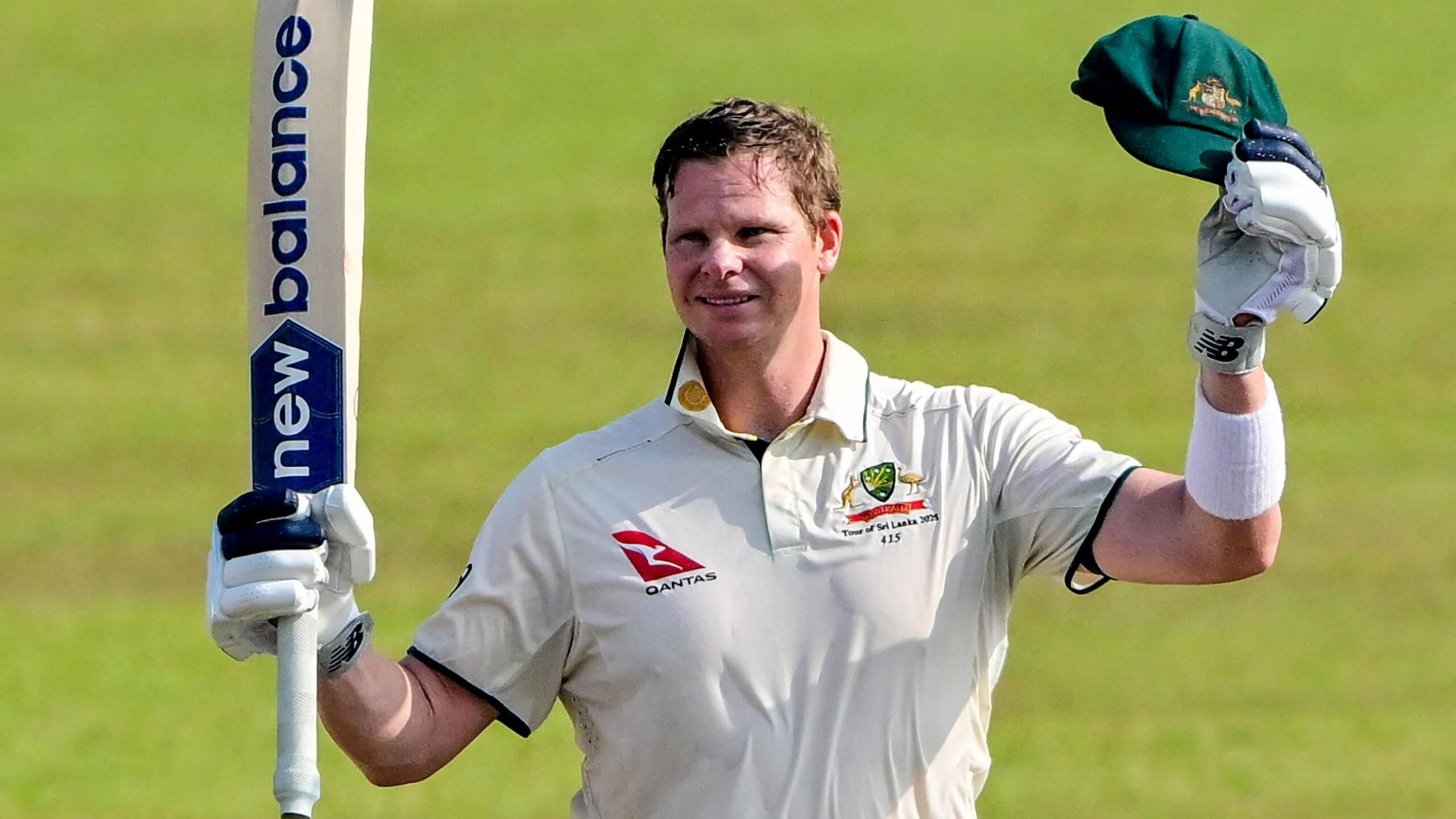
While Australia has confirmed its XI early — a decision Steve Smith made to project clarity and confidence in his interim role — England has taken a more measured approach. Their named squad includes Jofra Archer and Mark Wood, a duo capable of exceeding 150 km/h and applying severe pressure on Australia’s debut-heavy top order.
Perth is one of the few venues where England’s fastest bowlers historically match up well, especially when the bounce sharpens and length judgment becomes a decisive factor. With Ben Stokes guiding a side intent on being competitive across all conditions, the tactical battle centres on how Australia’s reshaped unit adapts to genuine pace while simultaneously trying to expose England’s vulnerabilities against Starc, Boland and Doggett.
This first Test is not just another chapter in the Ashes rivalry — it’s a rare instance where both sides enter with structural uncertainty but significant upside if their gambles pay off.
CONCLUSION : A NEW-LOOK AUSTRALIA STARTS ITS ASHES STORY IN PERTH – Ashes debut Australia
The opening Test of the series positions Australia in a delicate but promising space. Two debutants, a rebalanced batting order, and injuries to major bowlers combine to create a storyline that blends disruption with renewal. As the Ashes debut Australia narrative unfolds, Jake Weatherald has the chance to modernise Australia’s opening framework, while Brendan Doggett steps into a role that could redefine the pace attack’s shape over the summer.
With the Perth Test setting the tone for the remainder of the series, Australia’s selection calls will be scrutinised across each session. Yet within the uncertainty lies an opportunity: new players, new combinations and the potential for a refreshed identity heading into the most storied rivalry in Test cricket.
FAQs
About the Author


