

For many Australians, GLP-1 medications once seemed like the rare kind of breakthrough that transformed lives without huge drawbacks. But the TGA’s new warning has shifted the conversation toward a more responsible middle ground. Mental-health alerts now apply across every GLP-1 drug, and Mounjaro carries an additional notice for women relying on oral contraceptives. These updates don’t remove the benefits of the medications, but they reshape how Australians should approach them, especially as their use continues to rise across the country (Australia weight-loss warning).
A Growing Australian Trend Meets Stronger Oversight -Australia weight-loss warning

Ozempic and Mounjaro have become part of mainstream health culture. From busy workplaces to online weight-loss communities, their presence is everywhere. As prescriptions passed two million this year, the TGA gained access to data that highlights risks too rare to appear in clinical trials. The new warnings reflect a shift from hype-driven adoption to more balanced caution. This does not limit access but invites a clearer understanding of the medications’ emotional and hormonal effects.
Mental-Health Warnings Now Included on All GLP-1 Labels (Australia weight-loss warning)
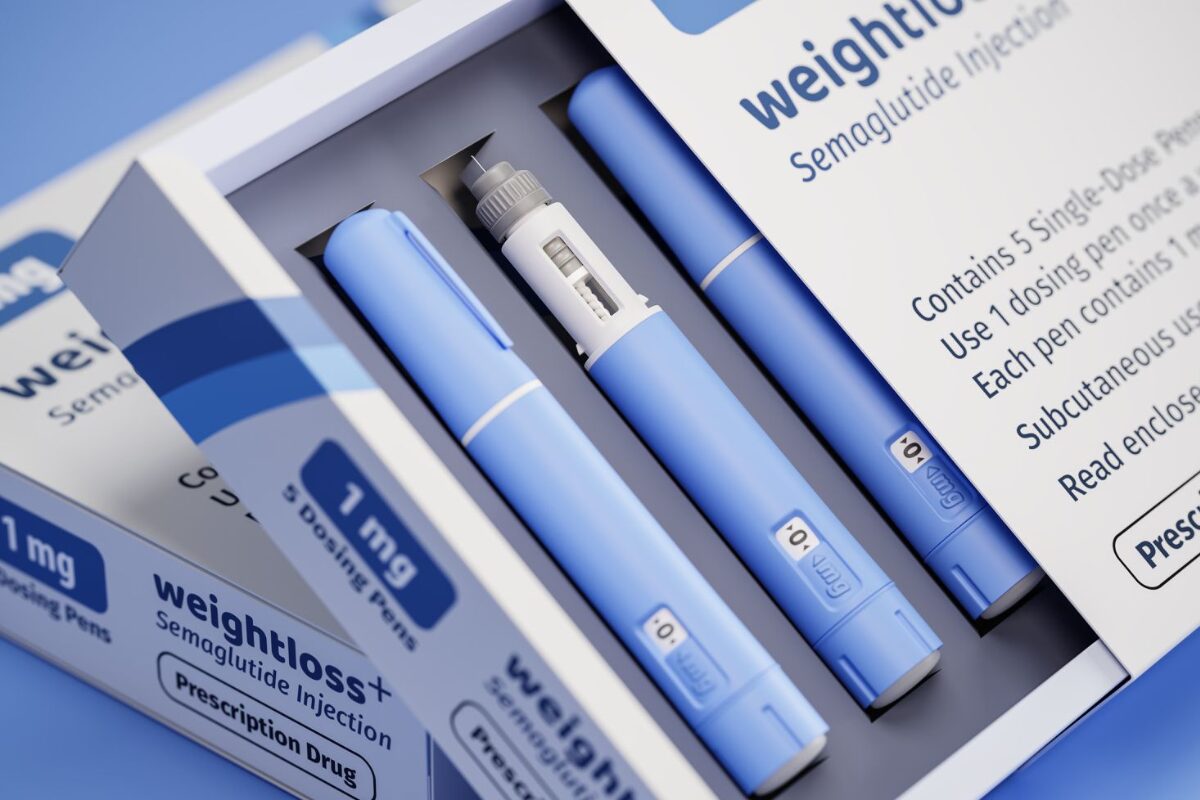
According to reports from ABC and the Sydney Morning Herald, every GLP-1 drug must now include a statement about mood changes, depressive symptoms, and suicidal thoughts. The TGA stresses that the link remains unclear, yet the seriousness of the reports requires attention. Patients must tell their GPs about any sudden emotional shifts, even if they seem mild. These precautions support early intervention and prevent symptoms from escalating quietly.
Why Mounjaro Has a Unique Contraception Warning : Australia weight-loss warning

Unlike other GLP-1 treatments, Mounjaro slows gastric emptying in a way that can compromise the reliability of oral contraceptives. Hormonal pills depend on stable absorption times, and even small delays can reduce effectiveness. Women starting Mounjaro—or increasing their dose—must use backup contraception for four weeks. This precaution also protects against accidental pregnancy, since GLP-1 drugs should not be used during pregnancy under any circumstance.
GP Workflows Are Already Changing Across Australia
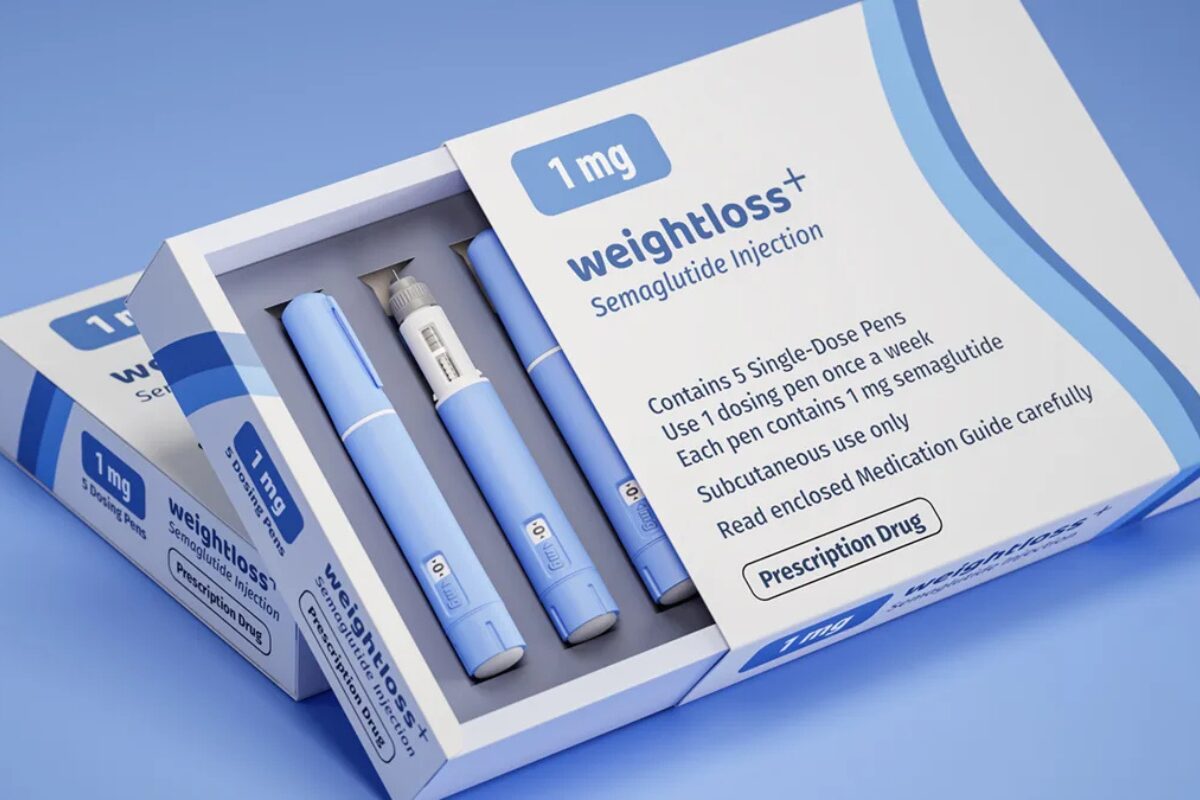
The RACGP has urged doctors to update their prescribing habits. GPs now screen for past depression, anxiety, or emotional instability before treatment begins. They must also ask about contraception and family-planning goals. Many clinics have added extra follow-up appointments during the first two months, as this period carries the highest risk of mood changes and absorption issues. These steps help patients stay safe while still benefiting from the medications.
Why the Warning Arrived at This Stage of Australia’s GLP-1 Boom

Global regulators have been reviewing psychiatric concerns associated with GLP-1 drugs since mid-2024. Early patterns pointed to small increases in reported emotional symptoms, although the exact cause remains uncertain. With similar reports emerging in Australia, the TGA acted before the data grew too large to ignore. By taking a precaution-first approach, the regulator hopes to prevent miscommunication and ensure that Australians understand both the strengths and limits of GLP-1 therapy.
Australia’s updated weight-loss warning represents a mature shift in how GLP-1 medications are understood. These drugs remain powerful tools for weight and diabetes management, yet they require careful attention to mental wellbeing and contraception. By strengthening warnings now, the TGA ensures that Australians can use these medications with clarity, support, and confidence. It is a reminder that breakthrough medicines work best when paired with honest communication and active monitoring.


