

When the heat spikes past 40°C in NSW, it isn’t only grassroots sport that scrambles—professional teams feel the burn too. According to BOM forecasts and coverage from The Guardian, the upcoming weekend will deliver scorching temperatures that challenge athletes, medical teams, and match-day planners across multiple codes. Whether it’s A-League squads, WBBL cricket teams, or elite development academies, the heatwave is reshaping how Australia’s top players prepare. Performance in extreme weather becomes less about pushing limits and more about calculating risk. And just like a tough raid boss in a game, beating the heat requires strategy, coordination, and plenty of adaptation -Weekend sport heat risks.
Training Loads Are Being Cut and Sessions Are Moving to Dawn or Dusk (Weekend sport heat risks)
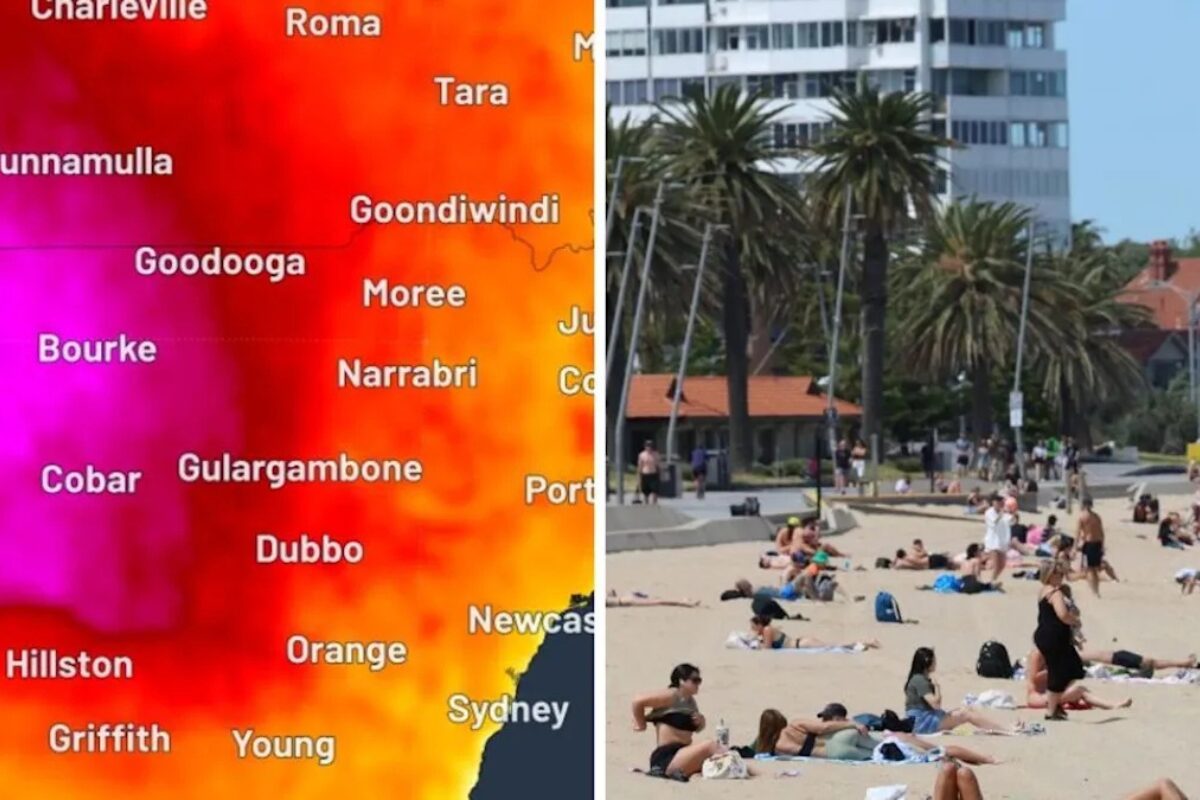
SMH reports that many elite sides are abandoning their usual daytime training routines. Instead, coaches are shifting sessions to sunrise or late evening so players avoid the dangerous heat window. Load management teams monitor players carefully, reducing sprint sets, limiting repeated high-intensity drills, and prioritising hydration over volume. Even well-conditioned pros can enter risk zones in minutes when temperatures exceed 36°C.
Sports Scientists Are Running Heat Stress Protocols Behind the Scenes (Weekend sport heat risks)

Professional sporting clubs rely heavily on performance science units, and this weekend they’re working overtime. Heart-rate variability, sweat rate, electrolyte levels, and GPS strain data all move unpredictably during heat spikes. Teams told 7News that they now add additional cool-down periods and ice vest rotations to prevent hyperthermia. Science is steering the game-plan—not just the coach’s clipboard.
Match-Day Tactics Will Shift to Slower, More Controlled Styles -Weekend sport heat risks

Heat dramatically alters the tactical identity of matches. A-League teams may play deeper to conserve energy, WBBL bowlers shorten run-ups, and NBL warm-ups get truncated to save players from early overheating. Sky News explained that the heatwave’s peak arrives Saturday afternoon, meaning many professional fixtures sit squarely in the red zone. Teams must decide whether to slow down or risk fatigue-driven mistakes.
Player Welfare Units Are Driving Decision-Making This Weekend

The Guardian notes that national sporting bodies often have strict policies around heat index thresholds. When conditions become unsafe, match officials may introduce longer drink breaks, extend recovery periods, or in extreme cases delay games entirely. Player welfare representatives now have more influence over scheduling than ever before, particularly as heatwaves become increasingly common in early summer sport.
Broadcast and Fan Engagement Strategies Are Also Being Reworked

Even TV networks feel the heat. Broadcasters adjust camera setups, crew rotation, and equipment cooling to avoid technical failures. Meanwhile, clubs are preparing extra shade zones, water stations, and mist tents for supporters. Fan engagement becomes difficult when crowds gather only in shaded pockets or leave early due to the extreme conditions.
Elite sport in Australia has always demanded resilience, but this weekend’s heatwave is pushing that expectation to new territory. From altered tactics to modified training and revamped scheduling, professional teams must outsmart the conditions to protect athlete health. While fans will still tune in and watch, the gameplay itself may look different: more tactical, more cautious, and more focused on survival than spectacle. When the heat becomes the strongest opponent on the field, adaptation becomes the ultimate competitive skill.
FAQ Section
About the Author


