

After the stabbing of principal Aaron Sykes at Keysborough Secondary College, Victoria suddenly found itself confronting a school safety dilemma far bigger than one frightening afternoon. The Code Black lockdown worked—students were safe, teachers executed protocols, and police neutralised the threat within minutes. However, as reporting from ABC, The Age, and 9News rolled out, a deeper issue emerged: the state’s school security system wasn’t built to handle adult conflicts that escalate into violence. The event became a case study in what worked, what didn’t, and what must change as schools evolve into increasingly complex environments (keysborough educator attack).
A Shock That Revealed the Limits of Current Security Models -Keysborough educator attack
Police confirmed the attacker was a man known to principal Sykes, making it clear this was a targeted adult confrontation. That detail shifted the story away from student misbehaviour and onto something harder to manage—adult access, adult disputes, and the unpredictability of adult emotions. Schools have built strong systems around student safety, yet far fewer resources exist for handling non-student conflicts. The Keysborough incident made this gap impossible to ignore.
Keysborough educator attack : The Lockdown That Showed Strength—But Also Exposed Blind Spots
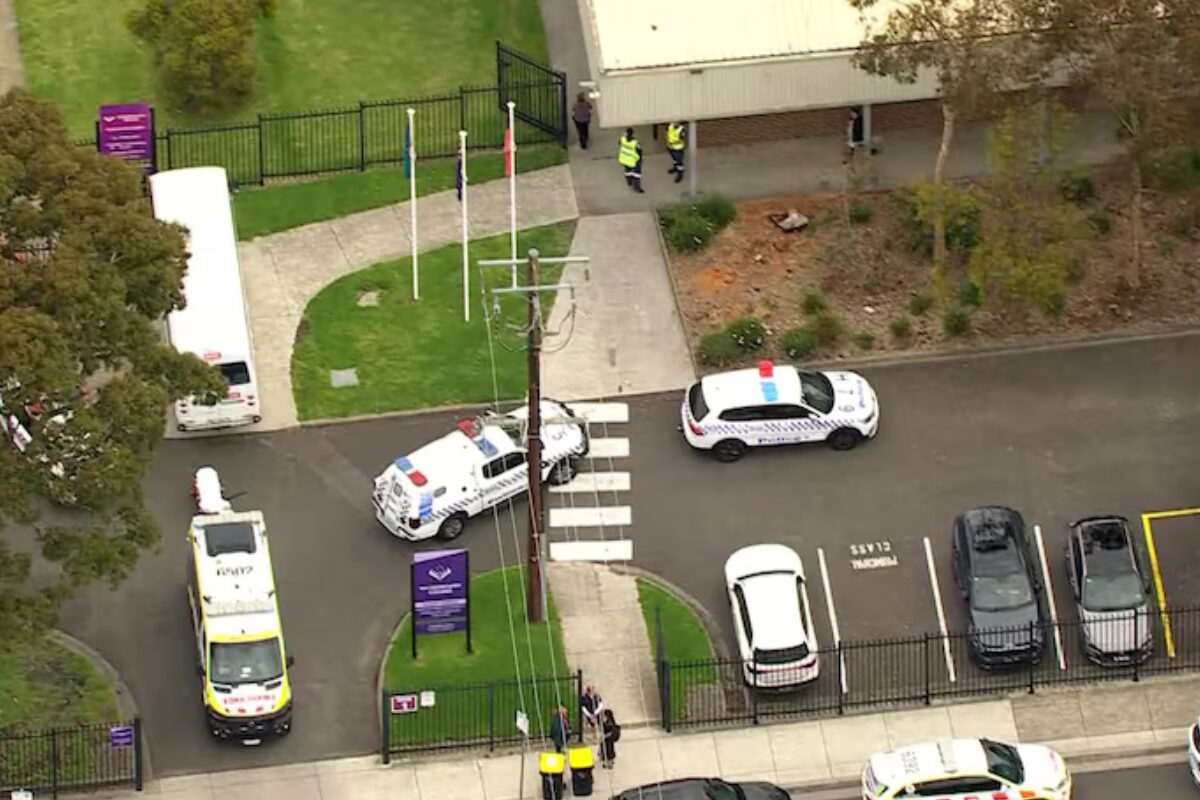
Keysborough’s Code Black activation was an operational success. Teachers executed drills flawlessly, and not a single student was harmed. But lockdowns are reactive tools. They can’t detect rising tension or prevent a dangerous meeting before it happens. Principals and school leaders often encounter adults who are distressed, angry, or unpredictable, yet the infrastructure protecting them lags behind the systems designed to protect children.
Victoria’s School-Safety Model Needs a New Layer: Adult-Focused Prevention (Keysborough educator attack)
Following the attack, conversations across Melbourne’s education sector shifted toward prevention. Schools may soon introduce secure meeting rooms, duress alarms for principals, and more controlled visitor pathways. The idea isn’t to turn schools into high-security zones, but to ensure the adults who keep schools running have the same protection students already benefit from.
Communication Became the Stabilising Force Parents Needed

Parents received the first alert within minutes, confirming students were safe. Later updates explained the principal was recovering and that police had arrested the attacker. That level of clarity prevented chaos in the school’s surrounding streets and helped parents avoid spreading misinformation on Facebook and WhatsApp. It showed that communication is not just a courtesy—it is one of the core components of crisis management.
A State Now Reflecting on Its Broader School Security Challenges
The Keysborough attack didn’t happen in isolation. It followed a string of incidents across Victorian schools, including the recent Berwick Primary School stabbing. Policymakers now face pressure to create unified security standards that address student safety, staff protection, and adult-access risks under one umbrella. The Department is already reviewing visitor protocols, access control systems, and mental-health intervention strategies for both students and adults.
The Keysborough educator attack was frightening, but it also revealed the strengths and weaknesses of Victoria’s school safety framework. Students were kept safe thanks to a strong lockdown system, yet the incident exposed vulnerabilities in how schools handle adult conflicts and staff security. As principal Sykes recovers, the state faces a pivotal chance to modernise its approach. The future of school safety will depend not just on responding quickly when danger appears, but on recognising warning signs long before it reaches the classroom door.
FAQ Section
About the Author


